


TL;DR:
- Reindeer safaris in Lapland provide a profound connection to Sami heritage, cultural traditions, and Arctic survival skills.
- They range from brief rides to immersive multi-day experiences that support indigenous livelihoods and promote ethical tourism.
Most people picture a short, touristy sleigh ride when they hear “reindeer safari.” The real experience runs far deeper than that. The role of reindeer safaris in Lapland extends into centuries of Sami heritage, living cultural traditions, and a form of Arctic connection that very few travel experiences can match. Whether you are drawn to the snowy wilderness, the silence of a Finnish forest, or the chance to sit inside a traditional lavvu while a Sami herder shares stories by firelight, a reindeer safari offers something genuinely rare: a window into one of the world’s oldest surviving indigenous cultures.
Table of Contents
- Key Takeaways
- The role of reindeer safaris in Sami cultural heritage
- What modern reindeer safari experiences actually look like
- Sustainability, ethics, and real economic impact
- How to choose and prepare for a reindeer safari
- Prime locations and when to go
- My honest reflection on what reindeer safaris gave me
- Plan your Lapland stay around a reindeer safari
- FAQ
Key Takeaways
| Point | Details |
|---|---|
| More than a ride | Reindeer safaris connect visitors to over 10,000 years of Sami culture and reindeer herding tradition. |
| Wide range of options | Safari experiences range from short walk-in rides to multi-hour wilderness adventures with meals and storytelling. |
| Ethical tourism matters | Choosing responsible operators supports Sami livelihoods and helps preserve indigenous traditions under climate pressure. |
| Book premium safaris early | Exclusive wilderness safaris have strict capacity limits and require reservations months in advance. |
| Seasonal timing shapes the experience | Winter offers Northern Lights and deep snow; spring brings milder weather, fewer crowds, and approachable farm visits. |
The role of reindeer safaris in Sami cultural heritage
The Sami people have lived alongside reindeer for over 10,000 years, and that relationship is not simply practical. It is spiritual, linguistic, and social. Reindeer provided meat, clothing made from hides, tools carved from antlers, and the means to travel across vast Arctic terrain. Today, those traditions are still alive. When you step onto a reindeer farm in Lapland, you are not visiting a theme park. You are stepping into a way of life that has adapted across millennia.
The Sami language itself contains hundreds of nuanced words to describe reindeer behavior, snow conditions, and the Arctic environment. This linguistic richness reflects a level of observation and ecological knowledge that no textbook can capture. A skilled Sami guide will help you understand what those words mean in practice, as you watch a herd move through fresh powder and see the animals respond to subtle cues.
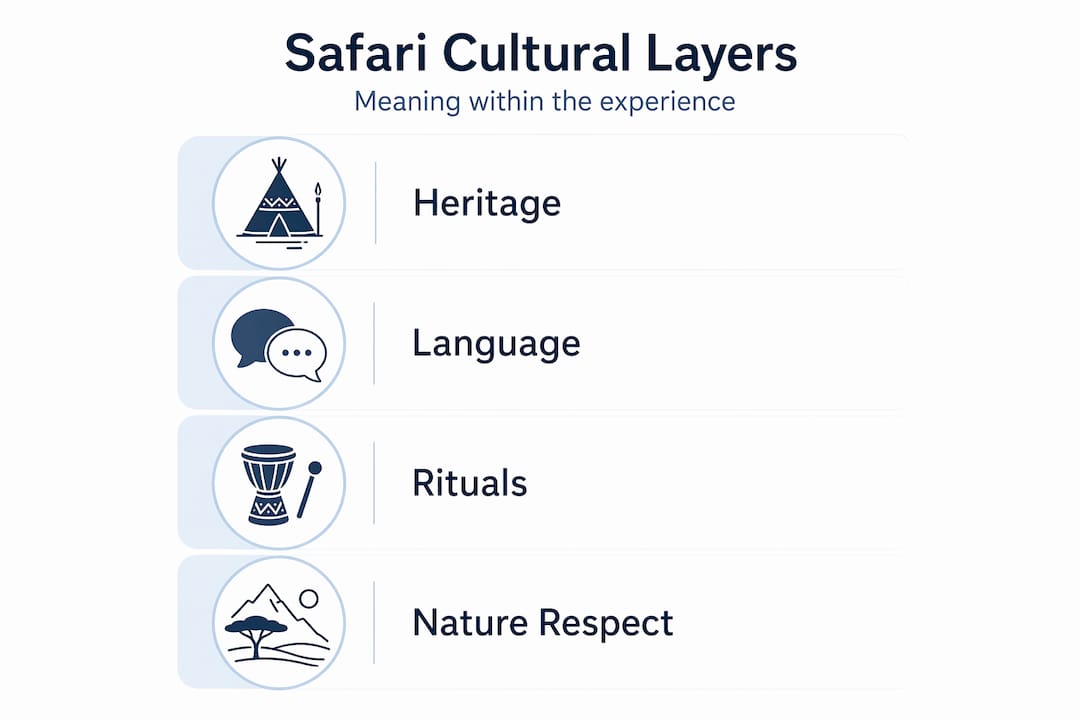
Reindeer also carry deep spiritual meaning in Sami culture. They mark the rhythm of the seasons through migrations, and those migrations shaped Sami social structures, family groupings, and community celebrations. The seasonal movements of herds informed everything from where families camped to what ceremonies took place and when.
What makes reindeer safari experiences so meaningful today is precisely this: good operators do not strip away the cultural layer. They build it in. You might hear stories about how a family’s herd was managed across generations, or learn how to read weather signs the way herders have for centuries. That context transforms a pleasant outdoor activity into something far more resonant.
“Reindeer safaris offer a unique portal into Sami culture, revealing ancient survival strategies and spiritual connections with nature.” — Sami culture insight
What modern reindeer safari experiences actually look like
The variety of reindeer safari experiences available today is wider than most travelers realize. Here is a clear picture of the spectrum:
- Short walk-in rides. At places like Santa Claus Village in Rovaniemi, you can join a brief sleigh ride without a reservation. These are fun, family-friendly, and give you a taste of the experience. They typically last 15 to 30 minutes and include a loop around a farm or a scenic trail.
- Half-day dedicated farm safaris. These go deeper. You arrive, meet the reindeer, feed them by hand, take a longer sleigh ride through the forest, and then gather inside a traditional lavvu for a hot meal and cultural storytelling. Most visitors find this storytelling session to be the emotional highlight of the trip.
- Premium multi-hour wilderness safaris. Operators like Taava Reindeer Farm offer small-group wilderness safaris with expert Sami guides, extended rides through remote terrain, and Northern Lights viewing in the evening. These are intentionally limited in group size to protect both the experience quality and animal welfare.
- Multi-day immersive programs. Rare but available, overnight safari stays in lavvus or wilderness cabins let you participate in feeding, herding, and traditional practices over two or more days.
One thing worth knowing: many tours bundle reindeer rides with snowmobiling or husky sledding. Those packages are enjoyable, but dedicated reindeer farm safaris offer something those bundles rarely can: quiet time, cultural depth, and a pace slow enough to actually absorb what you are experiencing.
The activity is suitable for children as young as 3 years old, which makes reindeer safaris in winter one of the most accessible Arctic activities for families of all ages.
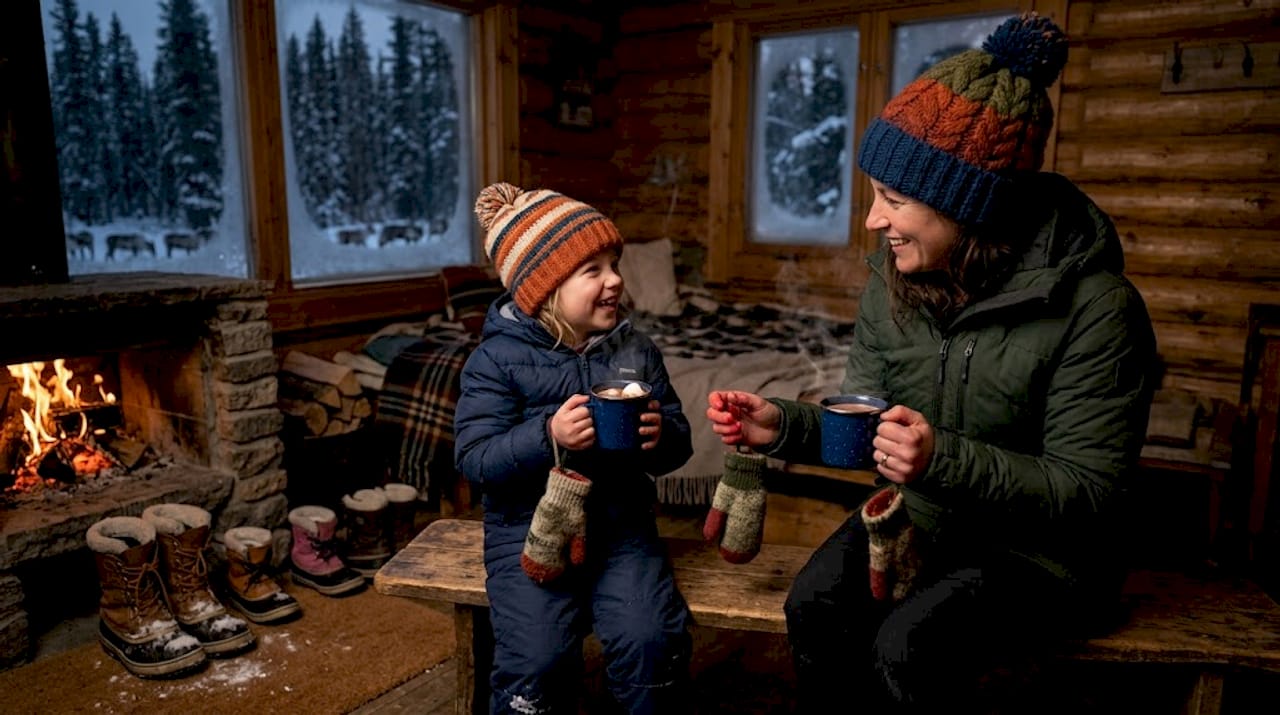
Pro Tip: If you are traveling with young children, choose a farm-based safari with a short ride and a warm indoor space for storytelling. The combination keeps kids engaged without overwhelming them with cold or distance.
Sustainability, ethics, and real economic impact
The cultural significance of reindeer safaris cannot be separated from the economic and environmental realities facing Sami herders today. Reindeer herding costs have risen sharply because of climate change, with unpredictable snow conditions, icing events, and shifting grazing landscapes creating serious financial pressure on herding families.
This is where tourism revenue makes a measurable difference. When you book a safari directly with a Sami-owned farm or a certified local operator, a meaningful portion of what you pay goes toward keeping these herding traditions alive. Ethical tourism’s economic support is not a feel-good extra. It is increasingly a practical necessity for preserving indigenous practices.
Here is how ethical and less responsible safari experiences compare:
| Factor | Ethical safari operator | Low-quality operator |
|---|---|---|
| Group size | Small (6 to 10 people max) | Large groups, up to 30+ |
| Animal welfare | Rest periods, limited pull times, free summer grazing | Continuous operation, no documented standards |
| Cultural content | Guided storytelling, Sami-led education | Generic commentary or none |
| Revenue distribution | Supports local Sami families directly | May go to outside tour aggregators |
| Certifications | Sustainable Travel Finland (STF) or equivalent | No certification |
Sustainable reindeer safaris balance animal welfare by limiting pull times, scheduling rest periods, and providing free summer grazing. These are not just good practices. They are part of ethical tourism certifications that protect both the animals and the long-term viability of the industry.
When you read about the benefits of reindeer safaris, the one that rarely makes the headline is this: your visit, done right, directly supports the continuation of a 10,000-year-old culture.
How to choose and prepare for a reindeer safari
Getting the most from your safari tour with reindeer comes down to a few decisions made before you arrive. Here is what to think through:
- Choose the experience level you actually want. A 20-minute walk-in ride is fun but not transformative. If you want cultural depth, book a half-day or full-day program with a Sami guide and included meal.
- Book early for premium safaris. Short walk-in rides need no reservation, but premium wilderness safaris fill up months in advance due to strict group-size limits. January through March slots at the best farms are often gone by October.
- Dress warmer than you think you need to. Even if thermal gear is included, add a base layer of merino wool. Sitting in a sleigh at minus 15°C feels very different from walking around in that temperature.
- Come with questions. Sami guides welcome genuine curiosity about herding, animal behavior, and cultural history. The more openly you engage, the richer your experience will be.
- Check pricing expectations. Short rides start from €30 to €60, while premium safaris with gear, meals, and storytelling run €160 to €170 per person. That pricing difference reflects a completely different class of experience.
A quick look at the reindeer experience in Pyhä shows how well this activity fits into a broader Lapland stay, especially for families or couples who want their adventure to feel personal rather than packaged.
Pro Tip: Ask your operator whether their guides are Sami or trained in Sami cultural practices. This single question tells you a lot about whether the experience prioritizes authenticity or just aesthetics.
Prime locations and when to go
Lapland offers a handful of standout locations for safari adventures. Each has a different character:
| Location | Best season | Highlight |
|---|---|---|
| Rovaniemi, Finland | December to March | Santa Claus Village, accessible farm rides |
| Pyhä-Luosto, Finland | November to April | Wilderness setting, small farms, Northern Lights |
| Tromsø, Norway | November to February | Dramatic fjord scenery, Sami-led experiences |
| Taava Reindeer Farm | January to March | Premium small-group safaris, expert cultural guides |
Winter is the classic time to visit, and for good reason. Snow-covered forests, the chance to witness the Aurora Borealis during an evening safari, and the full ceremonial feel of a traditional Lapland winter all make December through February deeply memorable. Spring 2026 visits offer a different appeal: milder temperatures, smaller crowds, and accommodation starting around 150 EUR per night, which makes the experience more relaxed and cost-friendly.
Spring also brings reindeer migration tours, where you can follow herds as they move toward summer grazing land. It is one of the most rarely seen and genuinely moving experiences Lapland has to offer.
My honest reflection on what reindeer safaris gave me
I have sat in a lot of tourism experiences across the Arctic, and I will be direct with you: most of them are pleasant. A few are genuinely unforgettable.
What separates a reindeer safari from the rest is not the cold or the sleigh or even the animals themselves. It is the quiet. The pace is slow enough that you actually notice things: the sound of snow under the runners, the way a reindeer exhales visible breath into the air, the warmth of a lavvu that smells like woodsmoke and wet wool.
The cultural storytelling sessions are where I have seen people genuinely moved. Not because they are theatrical or designed to impress. Because they are real. A herder talking about how their grandmother named individual reindeer, or explaining how they read ice thickness before leading a herd across a frozen lake, gives you something a lecture or a documentary cannot.
My practical advice: skip the bundled tours if cultural connection is what you are after. Book a dedicated safari, give yourself at least half a day, and arrive with patience rather than a checklist. The experience rewards slowness. And choose operators who can demonstrate real commitments to sustainable Lapland travel. It matters for the animals, for the Sami families, and honestly, for the quality of what you receive.
— Juho
Plan your Lapland stay around a reindeer safari
A reindeer safari is at its best when it is part of a larger Arctic stay rather than a rushed day trip. Sundaymorning has built its offerings around exactly this idea: pairing authentic Lapland experiences with luxury accommodation that feels genuinely connected to the environment around it.
The Sunday Morning Resort and Parkside Pyhä Apartments sit within Pyhä-Luosto National Park, giving you direct access to wilderness safari experiences, Northern Lights evenings, and the kind of peaceful surroundings that make your time in Lapland feel restorative rather than rushed. Sundaymorning’s Arctic winter getaway packages bundle activities like reindeer safaris with premium accommodation, gourmet Nordic dining, and sauna access. For families looking for something spacious and memorable, the luxury family adventures guide covers everything you need to plan a trip that works for everyone.
FAQ
What is the cultural significance of reindeer safaris?
Reindeer safaris connect visitors directly to Sami heritage, offering insight into a herding culture that has shaped Arctic life for over 10,000 years. The most meaningful experiences include guided storytelling, cultural meals, and time with Sami herders who share their knowledge firsthand.
What should I expect on a reindeer safari?
Most reindeer safaris include a sleigh ride, reindeer feeding, a traditional Sami meal, and cultural storytelling inside a lavvu or traditional hut. Premium safaris also offer Northern Lights viewing and small-group wilderness rides lasting several hours.
How do I book a reindeer safari in Lapland?
Short walk-in rides at popular locations like Santa Claus Village in Rovaniemi require no advance booking. Premium wilderness safaris with cultural programs and small group sizes should be reserved months ahead, particularly for January through March dates.
Are reindeer safaris suitable for children?
Yes. Reindeer sleigh rides are suitable for children as young as 3 years old and are one of the most family-friendly Arctic activities available. The rides are calm, and most farm-based programs include warm indoor spaces for storytelling and meals.
How much does a reindeer safari cost?
Short rides typically cost between €30 and €60 per person. Premium multi-hour safaris that include thermal gear, meals, and cultural storytelling run between €160 and €170 per person, reflecting the depth and exclusivity of the experience.
