


TL;DR:
- Winter incentive trips are luxurious experiences designed to motivate employees through exclusive venues, tailored activities, and memorable team-building events. Destinations like The Bahamas, Norwegian fjords, Napa Valley, and Finnish Lapland offer unique settings that foster genuine connections and rest, with the best options depending on team size and preferences. Thoughtfully structured agendas, inclusive activities, and winter’s slower pace enhance team bonds and create lasting memories.
Winter incentive trips are curated luxury experiences designed to motivate employees through exclusive venues, tailored activities, and memorable team-building events. The best winter incentive trip ideas move far beyond standard conference packages. They combine natural settings, thoughtful programming, and genuine rest to leave teams feeling recognized and reconnected. Destinations like The Bahamas, Norwegian fjords, Napa Valley wine country, and Finnish Lapland each offer something distinct. The right choice depends on your team’s size, activity preferences, and the kind of memory you want to create.
1. best warm-weather winter incentive destinations
Warm-climate corporate excursions are the most requested category in incentive travel, and for good reason. When the rest of the world is gray and cold, landing somewhere sunny feels like a genuine reward.
Top destinations for warm-weather winter corporate groups include:
- The Bahamas: A classic choice with luxury resort infrastructure, private island buyouts, and group water sports. Nassau and the Exumas both offer high-end properties with dedicated event teams.
- Tulum, Mexico: Boutique eco-resorts, cenote excursions, and Mayan heritage tours create a culturally rich backdrop. Tulum works especially well for smaller groups of 15–50 people seeking something more personal than a large resort.
- Amalfi Coast, Italy: Winter brings fewer crowds and cooler temperatures, making private villa rentals and exclusive cooking classes far more accessible. The scenery alone creates a shared sense of wonder that bonds groups quickly.
Each of these locations offers year-round favorable weather, easy international access, and resort facilities built for group programming. The Bahamas in particular provides one of the most complete packages, with dedicated incentive coordinators at properties like Atlantis Paradise Island and the One&Only Ocean Club.
Pro Tip: Book private group excursions separately from your resort package. Resorts often mark up third-party activities significantly. A local DMC (destination management company) will get you better pricing and more authentic experiences.
2. snowy mountain resort incentives for mixed teams
Mountain resort incentives are the gold standard for team building winter retreats that combine physical energy with genuine luxury. The key is designing a program that works for every fitness level, not just your most athletic employees.
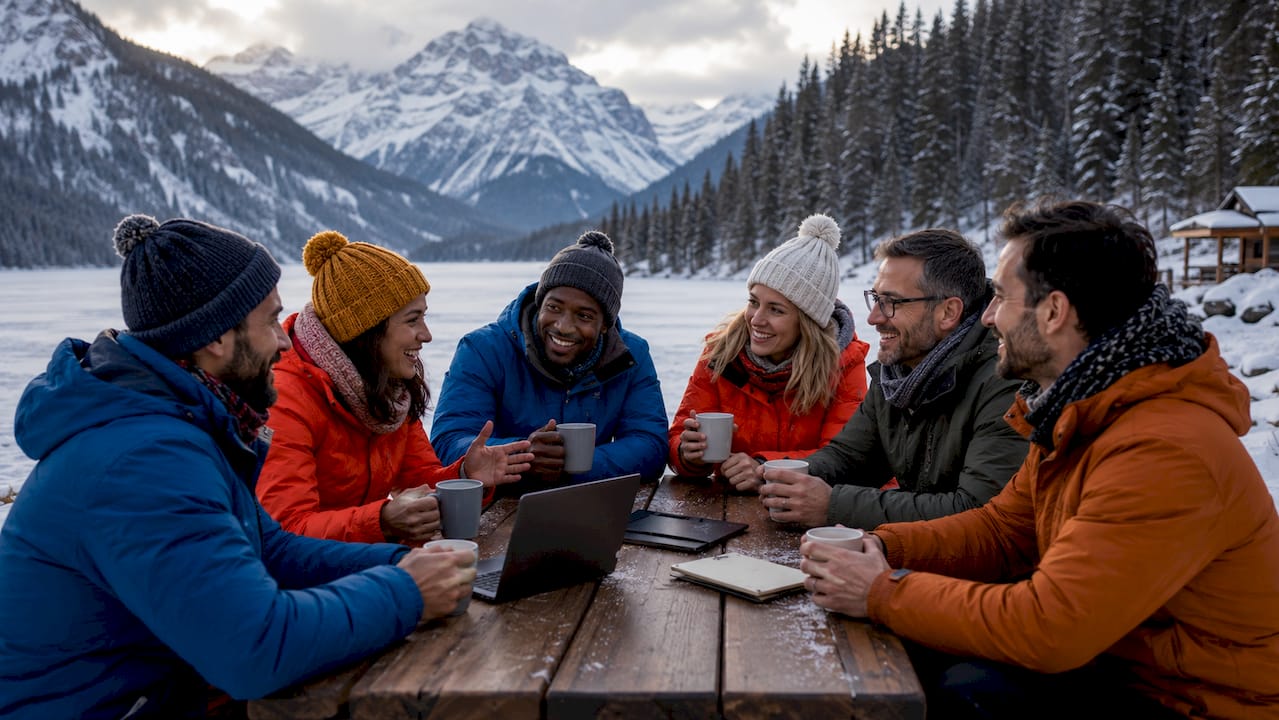
Destinations like St. Anton Arlberg in Austria and Preikestolen Basecamp in Norway have built their corporate offerings around exactly this challenge. Winter corporate packages in Norway include meeting rooms, catering, team-building activities, and lodging, ranging from 3,530 kr to 4,610 kr per person. That all-in pricing removes the logistical burden from your planning team.
The most effective mountain programs offer parallel activity tracks for mixed-ability groups. This means heliskiing runs alongside snowshoeing, and ice climbing is offered alongside guided nature walks. Everyone participates at their own level, and the shared dinner conversation afterward brings the groups back together.
What makes mountain settings particularly powerful for corporate groups:
- The physical environment slows people down naturally
- Shared meals after outdoor activity create genuine conversation
- Cozy lodge settings reduce the formality that can stifle honest dialogue
- Evening programming like sauna sessions or fireside discussions feels organic, not forced
Planners should book 4–6 months in advance for peak December through March dates. Popular Alpine venues fill quickly, and the best rooms go first.
Pro Tip: Contacting venue managers directly often surfaces last-minute cancellations or blocked inventory that never appears on public booking engines. A direct email inquiry in September can unlock December availability you assumed was gone.
3. wine country wellness retreats as winter travel incentives
Wine region incentives offer something distinct from adventure-focused trips. They reward employees with sensory pleasure, relaxation, and a pace that feels genuinely restorative.
Napa Valley, California is the strongest option in this category, particularly the Calistoga area. Calistoga’s Winter in the Wineries Passport provides access to 20+ wine tastings valued at over $800 for just $80 per person. That kind of value makes it easy to build an impressive group experience without inflating your per-person budget.
Accommodation options in Napa Valley range from intimate boutique hotels to full spa resorts. Properties like Solage Calistoga offer geothermal hot springs, private spa suites, and group wellness programming that pairs naturally with wine tastings. The combination of good food, warm pools, and unhurried afternoons creates an atmosphere where employees genuinely decompress.
Wellness features worth building into a Napa Valley incentive program:
- Group spa treatments booked as a shared activity, not just an optional add-on
- Private winery tours with a dedicated sommelier
- Farm-to-table dinners at estate restaurants
- Morning yoga or guided meditation before the day’s programming begins
Winter is actually the best time to visit Napa. Crowds are thin, prices drop at many properties, and the bare vineyards have a quiet beauty that summer visitors never see.
4. how to design a winter incentive agenda that actually works
The agenda is where most corporate winter excursions succeed or fail. A poorly structured schedule turns a beautiful location into a stressful work trip with better scenery.
The 60:30:10 model is the most reliable framework for corporate retreat agendas. It allocates 60% of time to strategy and structured sessions, 30% to informal meals and conversations, and 10% to shared outdoor activity. This ratio keeps teams productive without the overprogrammed feeling that kills morale by day two.
“The best corporate retreats are measured in conversations, not charts. When people talk differently at dinner than they do in the office, you know the setting is working.”
Structure your days around this principle:
- Day one: Arrival, orientation, and a light welcome dinner. No heavy sessions. Let people settle in and connect informally.
- Day two: Start later in the morning to prioritize rest and mental clarity. Schedule your most important strategic session mid-morning when energy is highest.
- Day three onward: Alternate between group sessions and free time. Schedule wellness activities after work sessions to prevent resort fatigue and keep energy levels steady.
The “clean break” arrival structure matters more than most planners realize. Teams that arrive and immediately face a full agenda feel like they never left the office. A relaxed first evening sets the tone for everything that follows.
5. why winter settings build stronger team bonds
Winter’s slower rhythm is not a limitation. It is the feature. The season creates conditions that summer trips simply cannot replicate.
Winter settings encourage deeper team connections through a slower pace, informal conversations, and a natural breakdown of workplace hierarchy. The physical environment does much of the work for you. A snowstorm that grounds everyone in the lodge for an afternoon produces more honest conversation than any facilitated workshop.
“Success in winter incentive travel is measured in conversations, not charts. The environment does the work that no agenda item can.”
The sensory qualities of winter also matter. Firelit rooms, the quiet of a snowy landscape, and the shared experience of cold air create a psychological intimacy that open-plan offices and summer barbecues rarely achieve. People speak more candidly. Ideas surface that would never come up in a conference room.
Compare this to summer incentive trips, which often compete with personal vacation plans, busy family schedules, and the general noise of peak travel season. Winter trips benefit from a natural quietness, both in the destination and in participants’ minds. Teams return from well-designed winter retreats with stronger working relationships and clearer shared direction.
Key takeaways
The most effective winter incentive trips combine structured agendas, inclusive activity options, and genuine rest to produce lasting team motivation and connection.
| Point | Details |
|---|---|
| Book mountain venues early | Secure snowy destination bookings 4–6 months ahead for peak December through March dates. |
| Use parallel activity tracks | Offer both high-energy and low-impact options so every team member participates fully. |
| Apply the 60:30:10 model | Allocate 60% strategy, 30% informal time, and 10% outdoor activity for balanced engagement. |
| Prioritize a clean break arrival | Keep day one light with orientation and dinner so teams arrive mentally ready, not rushed. |
| Winter amplifies team connection | The season’s slower pace and cozy settings break down hierarchy and spark candid dialogue. |
Why finnish lapland belongs on your shortlist
I have planned and participated in corporate incentive trips across a dozen countries, and the ones that generate the most lasting conversation are almost never the predictable choices. The Bahamas is beautiful. Napa is lovely. But the trips people still talk about three years later tend to involve something genuinely unfamiliar.
Finnish Lapland sits in a category of its own. The combination of near-total darkness, Northern Lights, reindeer, and pristine wilderness creates a sensory experience that no other winter destination matches. It is not just scenic. It is disorienting in the best possible way. When your team is standing in a snowy forest at midnight watching aurora borealis, every hierarchy and job title disappears.
What I tell planners who hesitate about Lapland is this: the logistics are easier than you think, and the impact is harder to replicate anywhere else. Fly into Rovaniemi or Kittilä, transfer to your resort, and the experience begins immediately. There is no acclimatization period. The place works on you from the moment you step outside.
My one strong recommendation is to resist the urge to overschedule. Lapland rewards the planners who leave space for spontaneous moments. A husky safari at dawn, a private sauna by a frozen lake, a quiet morning with coffee and snow falling outside your window. These are the moments your team will carry home. Build your agenda around them, not around them.
— Juho
Plan your lapland corporate incentive with Sundaymorning
Sundaymorning offers some of the most thoughtfully designed winter incentive packages in Finnish Lapland, based within Pyhä-Luosto National Park. The Arctic Winter Getaway package combines luxury accommodation, Northern Lights experiences, guided Arctic activities, and gourmet Nordic dining in one cohesive program. Every detail is handled, from arrival transfers to evening programming, so you can focus on your team rather than logistics.
Sundaymorning holds the Sustainable Travel Finland label, meaning your incentive trip also reflects your company’s values around responsible tourism. For groups seeking luxury accommodation in Lapland with genuine Arctic character, this is the place to start your planning conversation.
FAQ
When should i book a winter incentive trip?
Book 4–6 months in advance for peak winter dates between december and march. Popular venues in Alpine and Arctic destinations fill quickly, and early booking secures the best rooms and activity slots.
How do i keep all skill levels engaged on a winter trip?
Offer parallel activity tracks that pair high-energy options like skiing or snowmobiling with accessible alternatives like snowshoeing or guided nature walks. Everyone participates, and shared meals afterward bring the groups back together.
What is the 60:30:10 agenda model for corporate retreats?
The 60:30:10 model allocates 60% of retreat time to strategy sessions, 30% to informal meals and conversations, and 10% to shared outdoor activity. This balance keeps teams productive without feeling overscheduled.
How do i prevent burnout during a multi-day winter retreat?
Schedule wellness activities after structured work sessions, starting from day two onward. Spa treatments, sauna time, or free afternoon hours give participants space to recover and arrive at each session refreshed.
Why is winter better than summer for team-building trips?
Winter’s slower pace and cozy settings encourage candid conversations and naturally reduce workplace hierarchy. Teams connect more deeply in winter environments than in the busier, more distracted atmosphere of peak summer travel.
