


TL;DR:
- A Nordic sauna experience combines heat, steam, and cold exposure to promote physical and mental well-being. Properly following the full cycle and respecting local etiquette enhances relaxation and health benefits, including lower cardiovascular risk and better cognitive health.
A Nordic sauna experience is defined as a structured wellness ritual combining dry heat, steam, and cold exposure to restore the body and calm the mind. Known formally as the Finnish sauna tradition, this practice is recognized by UNESCO as an intangible cultural heritage. The ritual goes far beyond sitting in a hot room. It is a meditative, social, and deeply restorative practice that Finns have refined over thousands of years. Learning how to enjoy Nordic sauna experiences means understanding the full cycle: heat, steam, cooling, and rest. Done right, the benefits reach your cardiovascular system, your cognitive health, and your sense of calm.
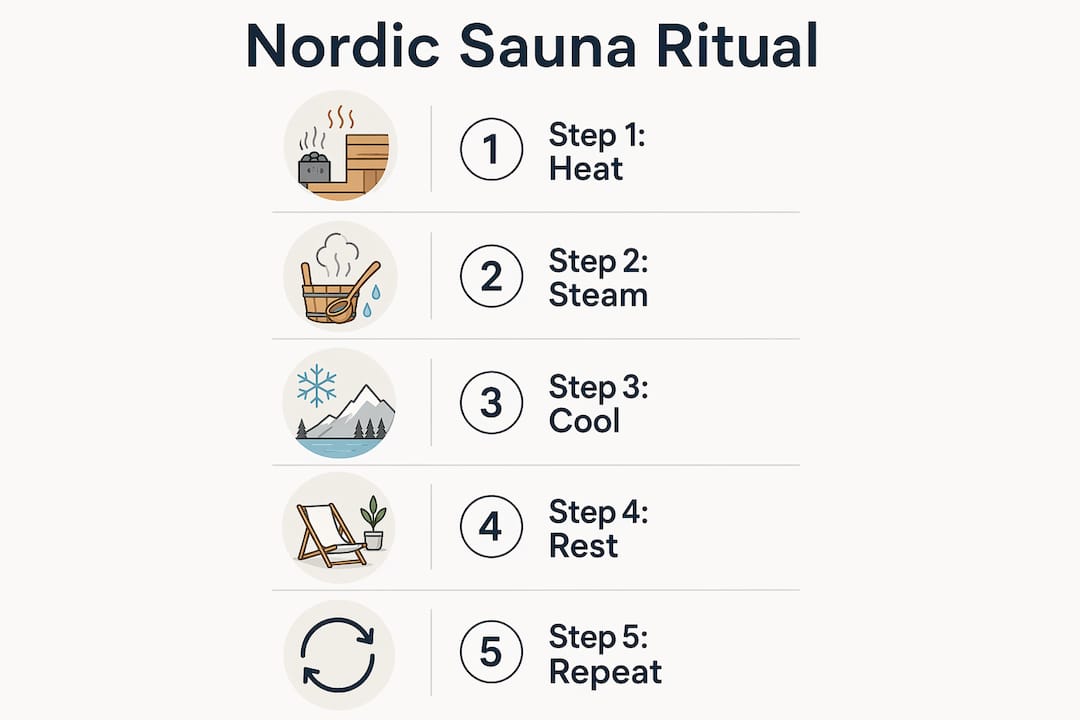
How to enjoy Nordic sauna experiences: the traditional ritual
The Finnish sauna ritual follows a clear sequence. Understanding each step helps you get the most from every session.
Heat the sauna properly. Wood-burning saunas, called savusauna or kiuas stoves, require careful management. Fill the water tank before lighting the fire and add wood gradually to build steady heat. Electric saunas are simpler but follow the same warm-up principle: allow 30–45 minutes before entering.
Enter and settle. Finnish sauna temperatures typically range from 80–110°C. The heat feels dry and intense. Sit on the lower bench first if you are new. Heat rises, so the upper benches are significantly hotter.
Pour water on the stones. This is löyly, the steam burst created by ladling water onto the hot stones. Löyly raises the perceived heat and opens the pores. A single ladle is enough for beginners. More experienced bathers add birch or eucalyptus infusions for scent and added relaxation.
Stay for 10–15 minutes. A standard round lasts 10–15 minutes. Listen to your body. Lightheadedness or discomfort means it is time to exit.
Cool down completely. Step outside, take a cold shower, or plunge into a lake or snow. This contrast is the heart of the Nordic wellness experience. Repeat the cycle two to four times.
Wash with buckets and ladles. Traditional Finnish saunas use bucket washing, mixing warm water slowly and quietly. This preserves the calm atmosphere and is gentler than a shower.
Pro Tip: When filling a wood-burning stove’s water reservoir, always add cold water first, then hot. This prevents scalding and protects the stove from thermal shock.
What should you bring to a Nordic sauna session?
Preparation makes the difference between a comfortable session and an uncomfortable one. Pack these items before you go:
- A sitting towel. Experienced sauna bathers always bring a dedicated towel to sit on. It protects your skin from the hot bench and maintains hygiene for everyone.
- A sauna hat. A wool or felt hat shields your head from the intense heat near the ceiling. It lets you stay longer without overheating your scalp.
- A water bottle. Hydration is non-negotiable. Drink water before, during breaks, and after your session.
- Sandals. Useful for moving between the sauna, shower, and cooling area, especially in shared facilities.
- Minimal clothing. In Finnish culture, nudity in single-sex saunas is standard and considered natural. In mixed or resort settings, a towel or swimwear is perfectly appropriate. Follow the norms of your specific venue.
Shower before entering the sauna. This is both a hygiene courtesy and a practical step: clean, damp skin absorbs heat more evenly. Eat lightly beforehand. A heavy meal and intense heat are a poor combination. Watch for signs of overheating: dizziness, nausea, or a racing heart all signal that you should exit and cool down immediately.
Pro Tip: If you are new to sauna, skip the uppermost bench on your first visit. The temperature difference between the lowest and highest bench can be 20–30°C. Start low, go slow.
For a deeper look at how Finnish sauna traditions connect to the landscape and culture of Lapland, the experience takes on a whole new dimension in an Arctic setting.
What is proper sauna etiquette in Nordic settings?
Sauna etiquette is not a list of rigid rules. It is a shared understanding that the sauna is a place of peace. Respecting that makes the experience better for everyone.
- Keep quiet. Sauna etiquette stresses silence and minimal conversation. Soft, calm talk is acceptable. Loud conversation, laughter, or phone calls break the meditative atmosphere.
- Ask before pouring. In a shared sauna, always ask others before adding water to the stones. Not everyone tolerates the same heat level.
- Leave your phone outside. The sauna is a digital detox space. Phones do not belong inside. This is one of the most valued aspects of the ritual for regular bathers.
- Respect privacy. Avoid staring or making others feel uncomfortable. The sauna is a communal but personal space.
- Exit gracefully if you feel unwell. No one expects you to endure discomfort. Leaving quietly is always the right call.
In private saunas, the rules relax. Families and close friends talk freely, share stories, and enjoy the ritual together. The social bonding aspect of sauna is real and valued. Public or resort saunas call for more restraint and awareness of others around you.
What health benefits can regular Nordic sauna sessions provide?
The health case for regular sauna use is well supported by long-term research. Frequent sauna use four to seven times weekly correlates with a 40% to 60% lower risk of cardiovascular disease and mortality. That is a significant reduction, comparable to the benefit of regular aerobic exercise.
The cognitive benefits are equally striking. Men who sauna four to seven times per week reduce their Alzheimer’s risk by 66% and dementia risk by 65%, based on a 20-year study of over 2,300 men. The dose-dependent nature of these findings matters: the more consistent the habit, the greater the protection.
Sauna sessions raise heart rate and dilate blood vessels in a way that resembles light exercise. This does not replace physical training, but it complements it well, especially on rest days or during recovery.
The cold plunge adds its own layer of benefit. Cold exposure triggers the sympathetic nervous system and releases endorphins, producing a natural mood lift and mental clarity. Beginners should limit cold exposure to 15–30 seconds. Anyone with cardiovascular conditions should consult a doctor before attempting cold plunges.
| Benefit | What the research shows |
|---|---|
| Cardiovascular health | 40%–60% lower risk of heart disease with 4–7 sessions per week |
| Cognitive protection | 65%–66% lower dementia and Alzheimer’s risk with frequent use |
| Mood and stress relief | Cold plunge triggers endorphin release and reduces cortisol |
| Circulatory effect | Heat dilates blood vessels, similar to light aerobic exercise |
“Hot sauna followed by cold plunges is a cornerstone of Nordic wellness, enhancing endorphin release and mental clarity.” — Nordic sauna culture guide
Optimal results come from at least 15 minutes per session, ideally three to four times a week. Consistency matters far more than duration in any single session.
How do you maximize relaxation during and after your sauna session?
Deep relaxation in a sauna is a skill, not a given. A few deliberate choices make the difference between a pleasant session and a truly restorative one.
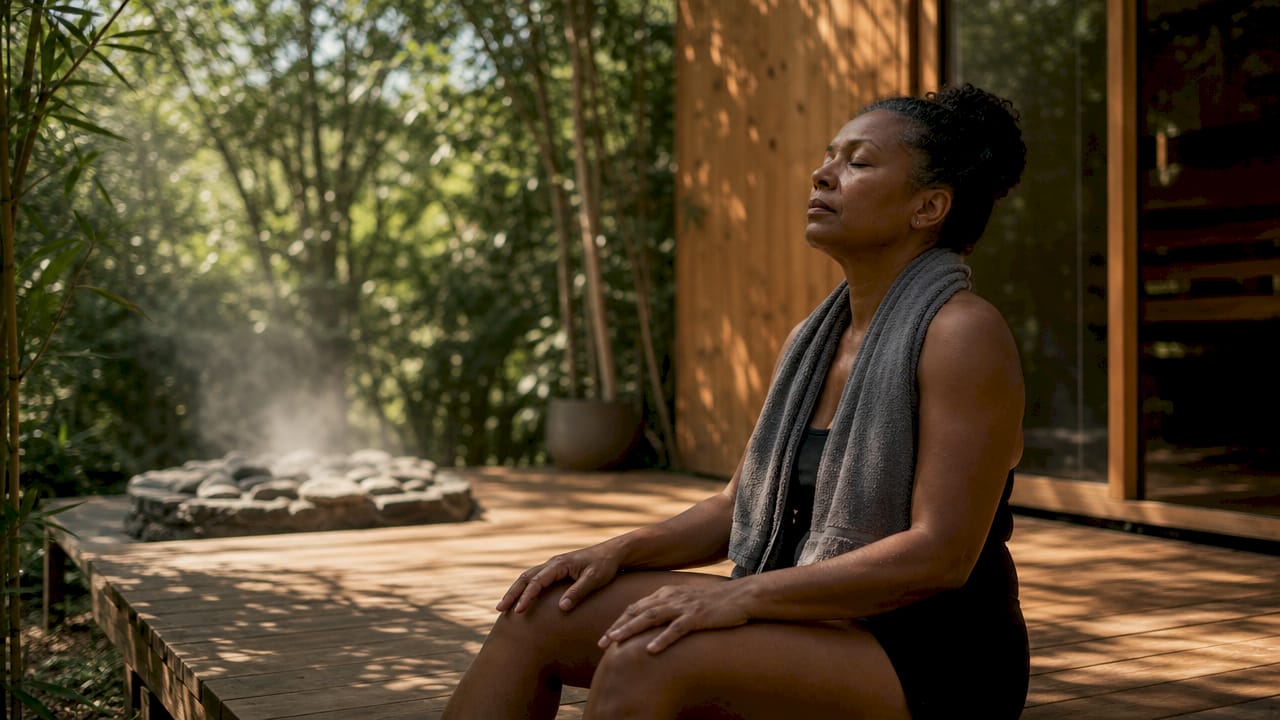
Choose your bench height based on your heat tolerance. The lower bench is cooler and better for longer, calmer sessions. The upper bench delivers intense heat for shorter bursts. Alternate between them across your rounds to vary the experience.
Breathe slowly and deliberately inside the sauna. Inhale through your nose, exhale through your mouth. This slows your heart rate and deepens the relaxation response. Some bathers practice simple breath-counting or body scanning to stay present. The goal is to let the heat do its work without mental distraction.
For cooling, you have several options: a cold lake, a snow roll, a cold shower, or simply sitting outside in cool air. Each works. In Lapland, stepping into the snow or a frozen lake after a sauna round is one of the most memorable Arctic wellness experiences you can have. The contrast between the heat and the cold air sharpens the senses and leaves you feeling genuinely renewed.
After your final round, rest for at least 15–20 minutes. Drink water or a light electrolyte drink. Avoid alcohol immediately after. Your body is still regulating temperature, and rest lets the full benefit settle in. Integrating sauna into a weekly wellness routine, alongside walking, good sleep, and light, balanced eating, amplifies the long-term effects.
Pro Tip: End your final cooling phase with a warm rinse, not a cold one. This helps your blood vessels return to a resting state gradually and prevents the chilled feeling that can linger after an intense cold plunge.
Key Takeaways
The most effective way to enjoy Nordic sauna experiences is to follow the full heat-steam-cold cycle consistently, respect the cultural etiquette, and treat each session as a deliberate wellness practice rather than a casual activity.
| Point | Details |
|---|---|
| Follow the full ritual cycle | Alternate heat rounds with cold cooling phases two to four times per session. |
| Prepare with the right gear | Bring a sitting towel, sauna hat, and water bottle for comfort and hygiene. |
| Respect sauna etiquette | Keep quiet, ask before pouring water, and leave your phone outside. |
| Commit to regular sessions | Health benefits peak at four to seven sessions per week with at least 15 minutes each. |
| Rest after your final round | Allow 15–20 minutes of quiet rest and rehydrate before resuming activity. |
The sauna teaches you to slow down
I have spent a lot of time in Nordic saunas, and the thing that surprises most first-timers is not the heat. It is the silence. We are so conditioned to fill every quiet moment with a screen or a conversation that sitting still in 90°C heat with nothing but the sound of steam feels almost radical.
The sauna does not ask anything of you except presence. That is its real gift. The health numbers are compelling, and I take them seriously. But the reason Finns have kept this ritual for thousands of years is not cardiovascular data. It is the way the sauna strips everything back to something simple and honest.
I have seen people walk into a sauna tense and distracted and walk out genuinely calm. Not because of any single technique, but because the environment demands that you stop performing and just be. That is harder than it sounds for most of us.
My honest advice for beginners: do not try to optimize your first session. Do not count rounds or track your heart rate. Just sit, breathe, and let the heat work. The Lapland sauna tradition adds another layer to this. When the sauna is surrounded by snow-covered forest and the sky is dark and full of stars, the experience becomes something you carry with you long after you leave.
— Juho
Nordic sauna and Lapland luxury: a natural pairing
Authentic sauna experiences are woven into the fabric of life at Sundaymorning’s properties in Pyhä-Luosto National Park. The saunas here are not amenities bolted onto a hotel stay. They are part of the rhythm of each day, set within a landscape that makes the cold plunge genuinely exhilarating and the post-sauna rest genuinely peaceful.
Whether you are visiting for the first time or returning for another Arctic winter, Sundaymorning builds the full Nordic wellness ritual into your stay. The Arctic Winter Getaway Package includes sauna access alongside Northern Lights tours, reindeer experiences, and gourmet Lappish dining. For those seeking a more intimate retreat, the luxury accommodation in Lapland options offer private sauna access with direct views of the wilderness. This is where the ritual and the landscape come together exactly as they should.
FAQ
What temperature is a traditional Nordic sauna?
Finnish saunas typically run between 80–110°C. Sessions last 10–15 minutes per round, followed by a cooling phase before repeating.
How often should you use a sauna for health benefits?
Research shows optimal benefits come from at least three to four sessions per week, each lasting a minimum of 15 minutes. Four to seven sessions weekly produce the strongest cardiovascular and cognitive results.
What is löyly in a Finnish sauna?
Löyly is the burst of steam created by pouring water onto the hot sauna stones. It raises perceived heat and is central to the traditional Finnish sauna ritual.
Is a cold plunge after sauna safe for everyone?
Cold plunges are safe for most healthy adults. Beginners should limit cold exposure to 15–30 seconds. Anyone with cardiovascular conditions should consult a doctor before attempting contrast therapy.
What should you wear in a Nordic sauna?
In traditional Finnish single-sex saunas, nudity is the norm. In mixed or resort settings, a towel or swimwear is standard. Always follow the customs of the specific venue you are visiting.
