


Oui, sauna et avantouinti (baignade glacée) sont généralement compatibles : les Finlandais les pratiquent depuis des générations comme rituel chaleur-froid-récupération. Bien pratiqués, ils restent progressifs et maîtrisés, sans choc. En cas de maladie cardiovasculaire, asthme, diabète, grossesse ou prise de certains médicaments, consultez un médecin. Débutants : cycle chaud-froid-chaud, immersions brèves au début, jamais seuls ; faites-vous surveiller ou restez près d’un accompagnateur.
À retenir
Sauna et avantouinti sont sans danger pour la plupart des adultes sains, avec transition progressive, accompagnateur et précautions médicales pour les personnes à
| Point | Détails |
|---|---|
| Suivez le cycle | Restez quelques minutes au sauna, refroidissez-vous progressivement, immergez-vous 5 à 30 secondes, |
| Jamais seul | Venez accompagné ou choisissez un site public surveillé, avec bouée et échelle |
| Préparez votre sac | Prenez gants et chaussures en néoprène, bonnet en laine, grande serviette et boisson chaude. |
| Repérez les signaux d’alerte | Sortez en cas de douleur thoracique, malaise, vertiges ou frissons incontrôlables ; appelez les secours si les |
| Obtenez d’abord un avis médical | Consultez un médecin en cas de maladie cardiaque, asthme non contrôlé, diabète ou grossesse. |
| Essayez avec un guide | Sunday Morning propose aux débutants des séances encadrées de sauna et d’immersion froide à Pyhä-Luosto. |
Sommaire
- Bain glacé et sauna : l’essentiel pour débuter
- Étape par étape : associer sauna et baignade glacée
- Sac idéal pour sauna et avanto
- L’avantouinti est-il vraiment bon pour la
- Étiquette du sauna et de l’avanto en
- Où essayer l’avantouinti et le sauna en
- Qui doit éviter l’avantouinti (et quand consulter d’abord)
- La première immersion reste inoubliable
- Réservez sauna et immersion froide guidés en Laponie
- Questions fréquentes
- Sources
Bain glacé et sauna : l’essentiel pour débuter
Cette association fonctionne : chaleur et froid ont des effets opposés et complémentaires. Le sauna dilate les vaisseaux cutanés et détend les muscles. Le froid produit l’inverse : le sang revient vers le centre du corps et la noradrénaline augmente fortement. Ce contraste attire chaque hiver des centaines de milliers de Finlandais vers lacs, criques marines et trous aménagés dans la glace.
Avant d’entrer dans l’eau, faites rapidement le point.
- Ne vous immergez jamais seul : venez avec un ami ou choisissez un site public
- Évitez totalement l’alcool, avant et après : il masque les symptômes du choc froid et altère le jugement
- Vérifiez la présence d’une échelle entretenue, d’une bouée et d’un bord de glace dégagé.
- Surveillez le réflexe de halètement dû au choc froid : halètement involontaire à l’entrée, risquant de faire inhaler de l’eau en cas de panique.
- Si vous débutez avec le froid, commencez par des douches chaudes avant une eau très froide.
Conseil de pro : Choisissez un avanto public avec surveillant visible ou réservez des immersions guidées à horaires fixes pour débutants. Une personne expérimentée rend la première immersion maîtrisable.
Étape par étape : associer sauna et baignade glacée
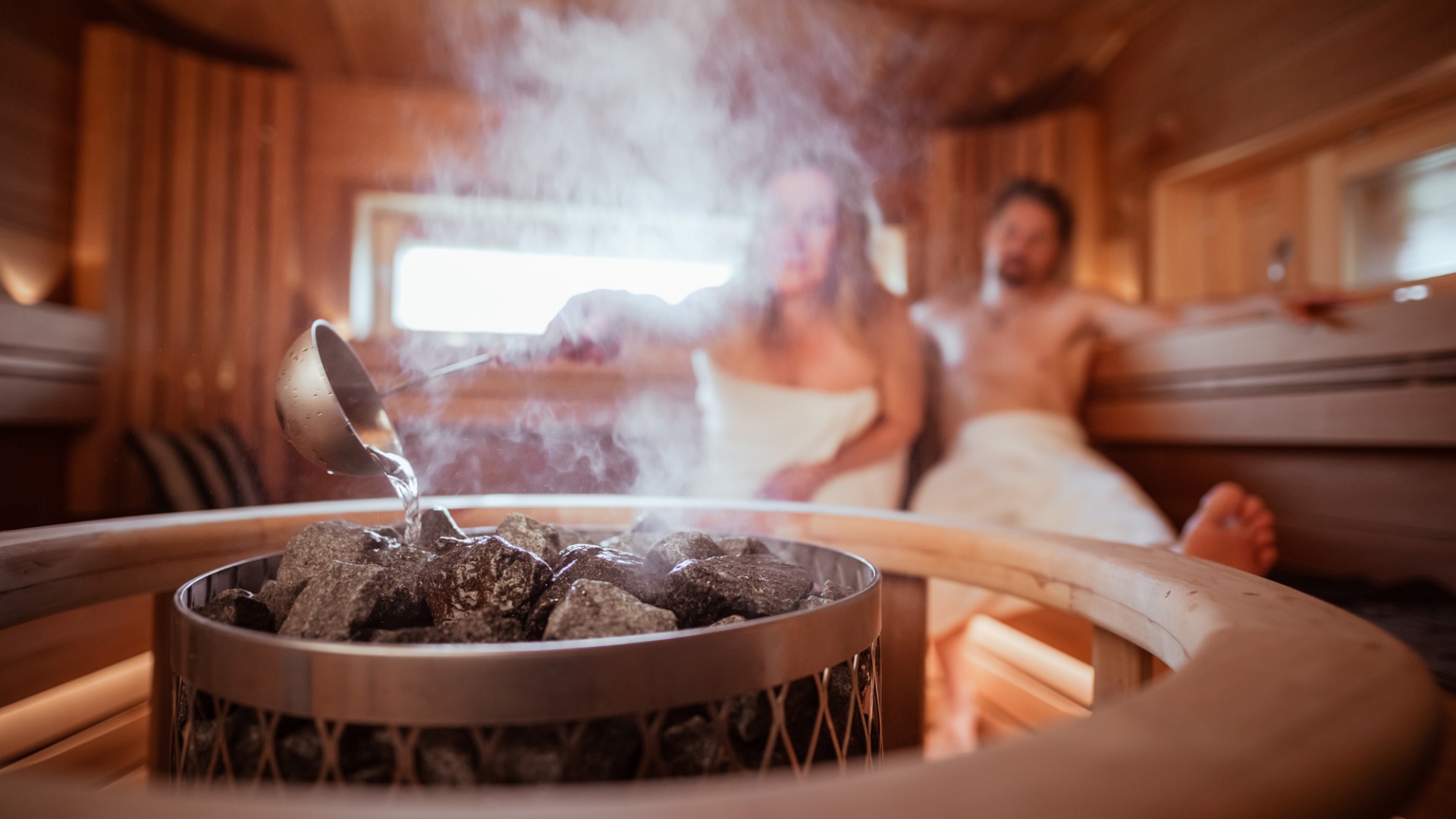
L’ordre compte. Passer directement d’un sauna brûlant à l’eau glacée, sans refroidissement, accroît le risque de halètement involontaire. Une courte pause permet au corps de s’adapter progressivement, comme le recommandent les nageurs hivernaux expérimentés.
Voici le cycle finlandais habituel :
- Préchauffez-vous au sauna 8 à 12 minutes, à température confortable, jusqu’à transpirer réellement.
- Refroidissez-vous progressivement 1 à 2 minutes, debout ou en marchant, sans entrer
- Faites votre première immersion 5 à 30 secondes si vous débutez ; prolongez après plusieurs séances, une fois
- Sortez avant les grands frissons. Une courte immersion revigore, sans tester votre
- Réchauffez-vous au sauna ou en vêtements chauds, puis reposez-vous quelques minutes avant de décider si vous répétez
Les débutants font généralement 1 ou 2 cycles par séance, les habitués 3 ou 4, en prolongeant l’immersion avec leur tolérance. Pour vous habituer, préférez plusieurs courtes séances hebdomadaires aux longues séances occasionnelles : la régularité, non l’intensité, développe la tolérance durant la saison.
Sachez quand arrêter : sortez et réchauffez-vous immédiatement
- Malaise ou vertiges
- Douleur ou oppression thoracique
- Vertiges ou désorientation
- Tremblements violents incontrôlables
Si les symptômes sont sévères ou persistent une fois au chaud et au sec, appelez les secours. La plupart des séances se terminent simplement le visage rougi et l’humeur au beau fixe, mais connaître les signes d’alerte garantit une expérience sûre.
Que prévoir pour sauna et avanto
Le climat finlandais exige d’être préparé, mais les débutants ont besoin de peu : un maillot classique suffit dans la plupart des sites publics ; aucun équipement spécial n’est nécessaire pour débuter.
- Maillot, grande serviette microfibre ou peignoir pour sécher vite
- Vêtements chauds et tenue sèche de rechange pour après
- Bonnet en laine ou néoprène. Une part importante de la chaleur se perd par la tête : la couvrir compte plus qu’on ne le pense
- Gants et chaussures en néoprène, fins, pour la chaleur et l’adhérence sur les bords glacés
- Chaussures antidérapantes entre sauna et eau
- Thermos de boisson chaude et bouteille d’eau. Le froid accroît plus qu’on ne le croit les besoins hydriques du corps
- Sac étanche pour téléphone et électronique
Astuce : Avant la glace, rangez téléphone et portefeuille dans un casier ou sac étanche : mains mouillées et doigts engourdis compliquent toute fermeture éclair.
Pour une analyse technique approfondie des protocoles chaud-froid, le guide de Sauna Heater Supply sur le bain froid et le sauna est une référence externe utile pour mieux comprendre la physiologie.
L’avantouinti est-il vraiment bon pour la
Les recherches finlandaises répondent prudemment oui, sans certitude. L’immersion régulière en eau froide augmente noradrénaline et bêta-endorphines ; les études résumées par Lääkärilehti associent plusieurs séances par semaine à une meilleure circulation périphérique, une possible sensibilité accrue à l’insuline, une graisse brune plus active et un soulagement des douleurs rhumatismales et musculaires.
Cette réserve importe : Sirkka Rissanen, chercheuse finlandaise spécialiste de l’exposition au froid, avertit que bien des bienfaits attribués à l’avantouinti pourraient tenir au mode de vie actif et social des nageurs hivernaux réguliers, plutôt qu’à l’eau froide seule.
Avec les petites études, souvent brèves, menées jusqu’ici, isoler l’effet physiologique direct de l’eau froide du mode de vie et du rituel environnants est difficile.
Les reportages de Yle confirment cette nuance : la détente et l’amélioration de l’humeur à court terme sont bien étayées, tandis que les effets durables sur le sommeil ou le stress chronique le sont moins. Les synthèses finlandaises en sciences du sport constatent la même tendance : le mieux-être immédiat est réel et constant, mais ce sont le rituel et la régularité, non une immersion isolée, qui semblent produire les effets durables.
Rien ne remplace un avis médical. Si vous avez un problème de santé préexistant, consultez votre médecin avant d’adopter l’immersion
Étiquette sauna/avantouinti en Finlande
La culture du sauna finlandaise suit des règles tacites apprises dès l’enfance ; les visiteurs les assimilent vite grâce à quelques
- Douchez-vous avant chaque sauna, même si vous allez transpirer à nouveau.
- La nudité est habituelle en sauna non mixte ; en lieu mixte ou public, le maillot domine : vérifiez la signalétique.
- Parlez doucement. Le sauna sert à se détendre, pas à discuter bruyamment.
- Si disponible, le vihta (fouet de bouleau) sert à tapoter doucement la peau et stimuler la circulation. C’est facultatif.
- L’ordre compte : la plupart commencent par le sauna, plongent brièvement, puis y retournent se réchauffer, plutôt que finir par le bain
- Les serviettes restent au vestiaire ; en apporter au sauna traditionnel est inhabituel, sauf au spa.
Les règles varient selon les établissements : consultez toujours les consignes avant de suivre une routine apprise ailleurs.
Où faire avantouinti et sauna en Finlande
Les lieux publics de baignade hivernale existent partout et sont plus faciles à trouver qu’on ne croit. Trois grands types couvrent presque tous les sites :
- Plages municipales avec trous dans la glace entretenus. Helsinki, Tampere, Oulu et Turku entretiennent des sites publics d’avanto en hiver, souvent associés à un sauna public.
- Clubs d’aviron et clubs de sauna. Beaucoup ont leur propre avanto et accueillent des visiteurs ou proposent des séances d’essai, idéal pour être entouré de pratiquants expérimentés.
- Saunas d’hôtels et de resorts avec immersion encadrée. Ils intègrent généralement sécurité et conseils, adaptés aux visiteurs peu familiers avec les conditions locales.
Avant de partir, vérifiez quelques signes d’un site bien géré : échelle fixe, bord de glace dégagé, bouées visibles et règles affichées. Leur présence indique généralement que la sécurité est prise au sérieux. La saison de baignade hivernale peut durer plusieurs mois selon la région : les occasions ne manquent donc guère une fois la glace formée.
Qui devrait éviter l’avantouinti (et quand consulter)
L’eau froide sollicite fortement le système cardiovasculaire ; pour certains, ce stress est un vrai danger, pas un simple choc maîtrisable.
- Maladie cardiovasculaire connue ou infarctus récent
- Hypertension non contrôlée ou arythmie grave
- Asthme non contrôlé
- Grossesse
- Diabète non contrôlé
- Antécédents de malaise ou de syncope
Si vous prenez des médicaments, demandez à votre médecin comment le froid peut interagir avec eux. Il modifie vite tension et rythme cardiaque, imprévisibles avec certains traitements.
En cas de douleur thoracique, malaise ou essoufflement sévère pendant/après l’immersion, appelez immédiatement les secours. En attendant, sortez la personne de l’eau, enveloppez-la de vêtements secs et chauds, puis surveillez respiration et réactivité jusqu’à leur arrivée.
Première immersion inoubliable
Un silence particulier enveloppe le lac à l’aube, avant l’entrée dans le sauna ; c’est le même qui vous accompagne sur la glace vingt minutes plus tard. La chaleur monte lentement, presque trop agréablement, jusqu’à faire fourmiller la peau. Puis le froid frappe, vif et total, et l’esprit se vide quelques secondes. Ce qui suit, cette vague de clarté et de calme une fois enveloppé dans une serviette, fait revenir les gens tout l’hiver. Les expériences de sauna de Sunday Morning en Laponie suivent ce même rythme : sans hâte, encadrées et conçues pour que les débutants restent sereins plutôt que plongés dans le froid à la hâte.
Réservez sauna et immersion froide guidés en Laponie
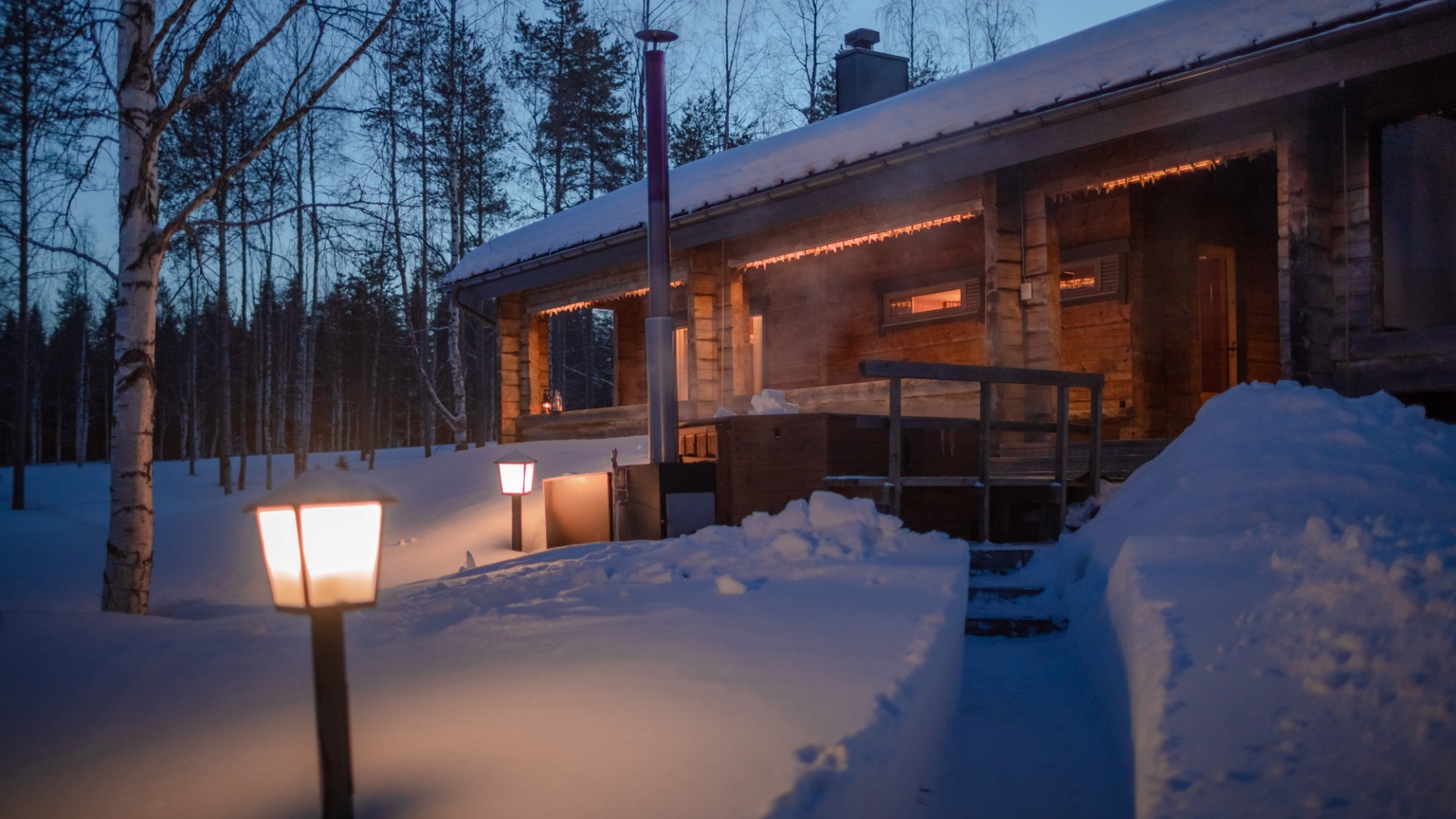
Si les consignes de sécurité vous rendent plus curieux que confiant à l’idée d’y aller seul, un cadre guidé règle le problème. Les expériences de sauna et d’immersion froide de Sunday Morning à Pyhä-Luosto sont encadrées par une équipe locale, en petits groupes et selon des pratiques écoresponsables : profitez du rituel sans deviner l’état de la glace ni les règles
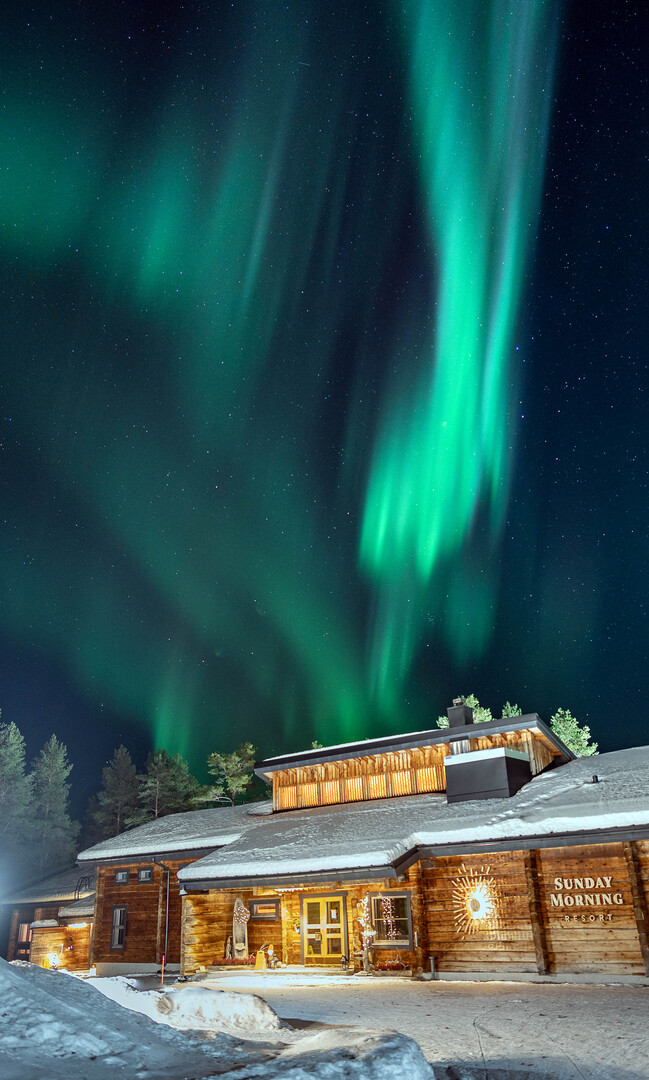
Ces séances s’adressent aux débutants en avantouinti. Le cadre convient aux couples cherchant un moment paisible à partager comme aux voyageurs seuls qui préfèrent éviter un trou dans la glace inconnu. Vérifiez les disponibilités du forfait Arctic Winter Getaway et ajoutez à votre séjour en Laponie finlandaise une séance encadrée de sauna et d’immersion froide.
Questions fréquentes
Sauna puis eau glacée : est-ce prudent ? Se rafraîchir brièvement entre les deux est plus sûr : cela réduit le risque de réflexe de halètement au contact de l’eau froide.
Combien de temps rester dans l’eau au début ? Cinq à 30 secondes suffisent. Augmentez progressivement au fil des séances, sans viser une immersion plus longue dès le premier jour.
Équipement pour l’avantouinti ? La plupart des sites finlandais publics : un maillot classique suffit. Gants et chaussures en néoprène : confort et adhérence accrus, facultatifs aux débutants.
Fréquence de l’avantouinti ? Courtes séances plusieurs fois/semaine favorisent une adaptation physiologique plus régulière que de longues séances occasionnelles, selon synthèses de recherches finlandaises.
Qui doit éviter sauna et avantouinti ? Maladie cardiovasculaire, asthme ou diabète non contrôlés, femmes enceintes ou antécédents de malaise : obtenez d’abord un avis médical.
Cet article fournit des informations générales et ne remplace pas l’avis d’un médecin qualifié. Consultez un professionnel de santé au sujet de votre situation avant d’agir.
Sources
- Avantouinti vaikuttaa terveyteen monin tavoin - Lääkärilehti
- Avantouinnin riskit – mitä on tärkeää tietää ennen kylmään veteen astumista
- Tutkittua tietoa avantouinnista - Turun Avantouimarit
