

Explore Lapland Your Way
Choose the topic that interests you most below; from Northern Lights and winter activities to Lapland holidays and Arctic wildlife. Or continue reading to discover where Lapland is, what makes Finnish Lapland unique, and why it remains one of Europe’s most extraordinary travel destinations.
Why Do People Visit Lapland?
Where is Lapland?
Lapland is the northernmost region of Finland, stretching above the Arctic Circle into vast Arctic wilderness: a landscape of forests, fells, frozen lakes and rivers that define Europe’s last great natural frontier. Finnish Lapland covers nearly one-third of Finland’s land area, borders Sweden and Norway, and is known as a gateway to the Arctic for travellers from around the world (see Visit Finland).
The Arctic Circle runs directly through Lapland, marking the latitude where the Midnight Sun shines in summer and where long winter nights create prime conditions for observing the Northern Lights (see Lapland Regional Council). Local hubs like Rovaniemi serve as accessible entry points: at the Santa Claus Village you can literally step across the Arctic Circle line.
Finnish Lapland is firmly anchored in Northern Europe and is reachable by flight from major hubs; for example, flights from Helsinki to Rovaniemi take roughly 1–1.5 hours, and regional airports like Kittilä Airport handle international winter traffic from Germany, the UK and beyond. You can read more about arriving to Lapland and Pyhä here.
It is also important to clarify a common point of confusion: Lapland UK is a Christmas attraction in the United Kingdom, while Finnish Lapland is a real Arctic region in Northern Europe. When travellers search for Lapland holidays or Northern Lights experiences, they are typically referring to Finnish Lapland, meaning the authentic destination known for Arctic nature, winter adventures and remote tranquillity.
When Is the Best Time to Visit Lapland?
Lapland’s seasons are distinct, with each offering its own reasons to visit and its own types of experiences. Below is a seasonal breakdown to help travellers plan the perfect Lapland holiday.
Winter: December – March
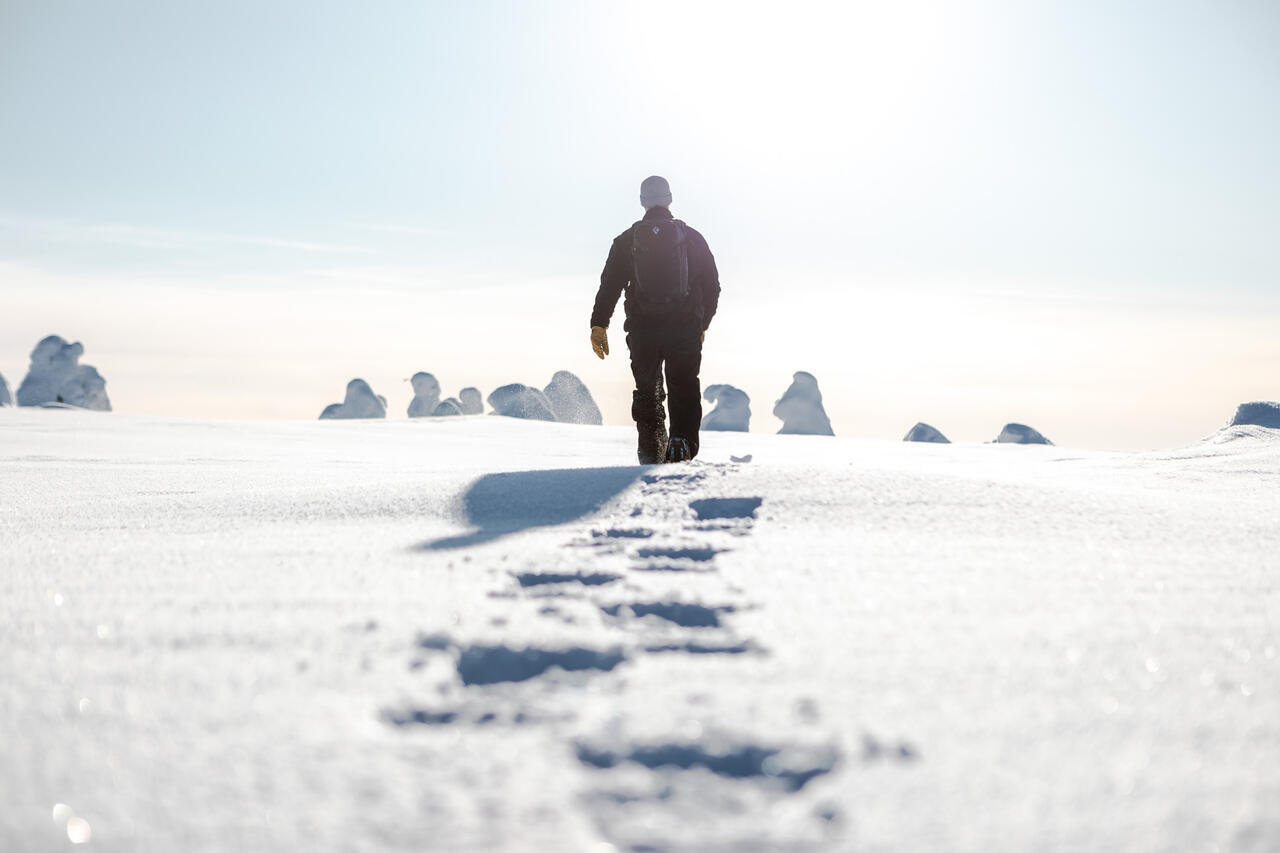
Winter is the classic Lapland season, with snow-covered landscapes, long nights and a true Arctic atmosphere.
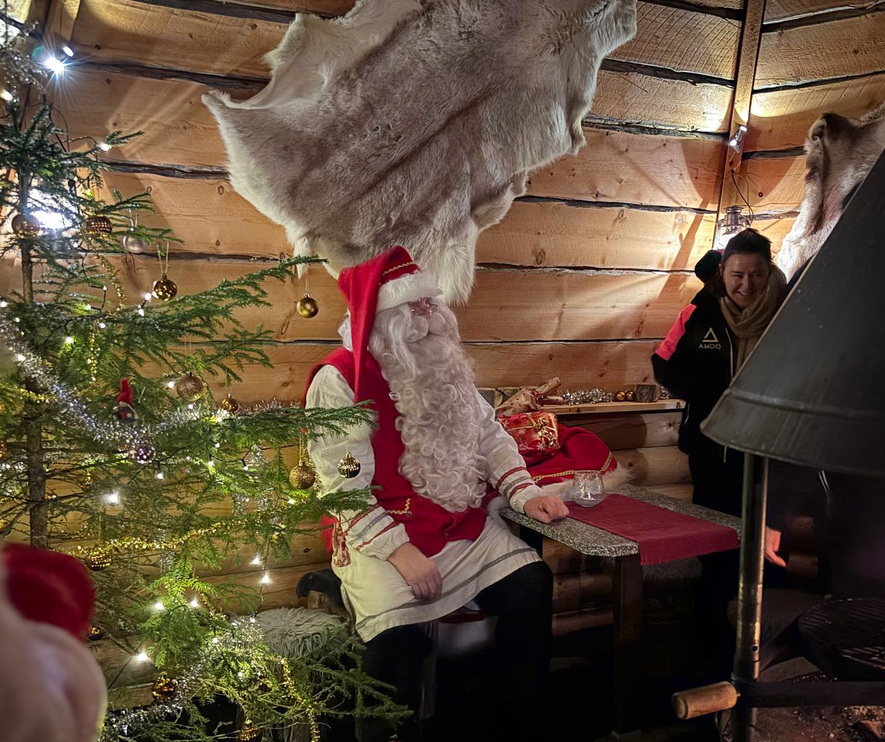
- Christmas (December): Festive Arctic charm, snowy forests and family-friendly activities make this a highlight for travellers seeking a holiday experience with Santa traditions and seasonal events.
- New Year’s (Late December – Early January): A lively time in Lapland with all of the traditional winter adventures and fireworks under winter skies.
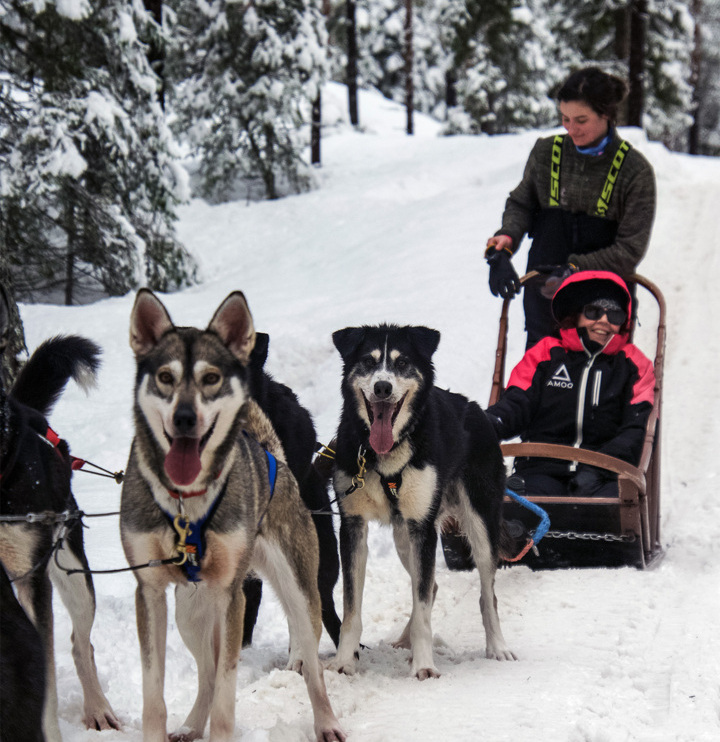
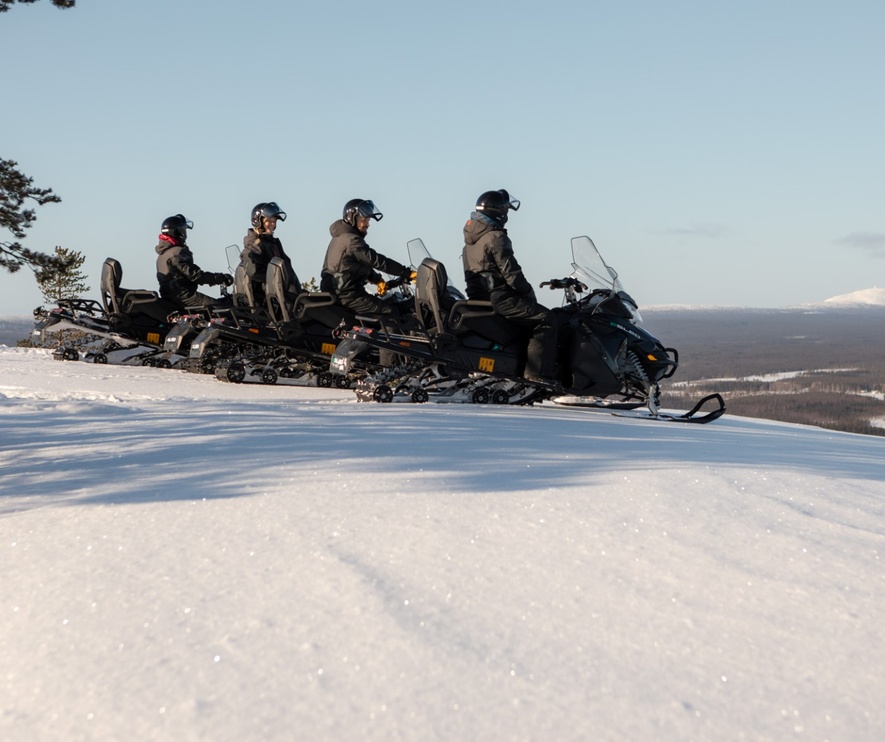
- True Winter (January – February): Peak snow conditions, optimal conditions for ice and snow driven activities like snowmobiling, dog sledding and winter safaris.
- Late Winter (March – Early April): Days begin to lengthen, snow remains deep and stable, and Northern Lights are still be frequent.
Winter is often cited as the top choice for visitors who want a classic Arctic experience and high-quality snow for outdoor activities.
Northern Lights Season: September – March
The Northern Lights (Aurora Borealis) season stretches from early autumn through late winter. The best chances to see aurora displays are on clear, dark nights between September and March when the sky is dark enough for the lights to show.
- Autumn (September – October): Nights start getting longer, and ruska (autumn colours) paint the forests with vivid reds and golds, offering a scenic combination for Northern Lights photography.
- Early Winter (November – December): Increase in dark hours, first snow arrives, and aurora opportunities grow stronger.
- Late Winter (January – March): Prolonged nights and frequent geomagnetic activity make this a prime window for many Northern Lights chasers.
Autumn Colours: Ruska
Ruska refers to Lapland’s autumn colour season, typically peaking between late September and mid-October depending on latitude and annual weather. This is a distinct draw for travellers who want sweeping vistas of yellow, orange and red tundra before winter arrives. Combined with early Northern Lights potential, ruska is an increasingly searched seasonal term.
Summer: Midnight Sun
In summer, Midnight Sun lights the Arctic night from late May to mid-July. Days are bright 24/7, temperatures are mild, and the region becomes a haven for hiking, canoeing, fishing and cultural exploration. While summer does not offer snow or aurora nights, its endless daylight and lush landscapes create a very different Lapland experience.Each season brings unique opportunities for Lapland holidays, from winter magic to autumn colours and endless summer days. Visitors choose timing based on whether they seek snow adventures, aurora viewing, scenic ruska forests or the surreal light of the Midnight Sun.
