


Pähkinänkuoressa:
- Pyhä tarjoaa optimaaliset revontulien katseluolosuhteet: vähän valosaastetta ja laajoja, kohollaan
- Onnistuminen varmistuu seuraamalla ennusteita, pukeutumalla lämpimästi ja varaamalla useampi yö – näin
- Opastetut kierrokset lisäävät onnistumista paikallistuntemuksella, mutta ratkaisevia ovat joustava
Kuvittele: saavut Pyhälle kuukausien suunnittelun jälkeen ja vietät ensimmäiset kaksi yötä tuijottaen pilvistä taivasta. Näin käy useammin kuin luulet. Useimmat menettävät revontulet huonon tuurin takia, koska eivät tienneet missä seistä, milloin katsoa tai miten lukea taivasta. Tämä opas korjaa sen: yhdistämme paikallisen asiantuntemuksen, reaaliaikaiset ennustetyökalut ja rehelliset neuvot luksusmajoituksista, jotta saat mahdollisimman selkeän polun revontulien näkemiseen Pyhä-Luoston kansallispuistossa.
Sisällysluettelo
- Miksi Pyhä on täydellinen paikka
- Tärkeimmät työkalut ja valmistautuminen
- Vaihe vaiheelta: Suunnittele täydellinen revontuliyösi
- Valitse ekoluksus: omatoiminen revontulien metsästys vai
- Mitä luksus-Lapin oppaat eivät kerro revontulien näkemisestä
- Nauti revontulista tyylillä Sunday Morning Collection -kokoelmalla
- Usein kysytyt kysymykset
Päätärpit
| Kohta | Tiedot |
|---|---|
| Pyhän pimeiden taivaiden etu | Pyhä tarjoaa selkeämmän taivaan ja vähemmän valosaastetta, joten revontulien |
| Hyödynnä teknologiaa parantaaksesi | Reaaliaikaiset Kp-indeksin sovellukset kertovat tarkasti, milloin ja |
| Yhdistä luksus ja seikkailu | Yhdistä yksityiset lasiglut ja asiantuntevasti opastetut kierrokset – paras |
| Kärsivällisyys lisää onnistumista | Ole ulkona yli 20 minuuttia, suojaa silmäsi kaikilta valonlähteiltä ja varaa useampi yö parhaiden |
Miksi Pyhä on täydellinen paikka
Kaikki revontulikohteet eivät ole samanlaisia. Pyhällä on tietty yhdistelmä maantiedettä, korkeutta ja pimeyttä, joka antaa aidon edun ruuhkaisempien Lapin kohteiden rinnalla.
Pyhä-Luoston kansallispuisto sijaitsee noin 100 km pohjoiseen pohjoisesta napapiiristä ja siellä on vain vähän valosaastetta, mikä parantaa suoraan revontulien näkyvyyttä. Vertaa Rovaniemeen (napapiirin tuntumassa, kaupunkivalot ympärillä) tai Leviin (suuria lomakyläjoukkoja).
Pyhätunturin tunturitasangolla on 360 asteen panoraamanäkymät, jotka ovat Lapissa aidosti harvinaisia. Useimmista paikoista katsot vain yhteen suuntaan, mutta täällä skannaat koko taivaan kerralla – ja se on ratkaisevaa, kun revontulet voivat näkyä missä tahansa
Pyhän sisämaan sijainti parantaa kirkkaan taivaan todennäköisyyttä 10–15 % verrattuna rannikon Lapin kohteisiin. Rannikolla kosteutta ja pilvipeitettä kertyy Perämeren/Ojää? – Arctic Oceanin vaikutuksesta.
Tässä nopea vertailu tärkeimmistä revontulijahtikohteista Suomen Lapissa:
| Sijainti | Valosaaste | Kirkkaan taivaan todennäköisyys | Korkeus ja näkymät |
|---|---|---|---|
| Pyhä | Erittäin matala | Korkea | 360° panoraama |
| Rovaniemi | Kohtalainen | Kohtalainen | Rajallinen |
| Levi | Matala–kohtalainen | Kohtalainen | Osittainen |
| Saariselkä | Matala | Korkea | Hyvä |
Pyhässä revontulia näkyy sesongin huippuaikana keskimäärin joka toinen yö: neljästä yöstä selkeisiin näkymiin saat realistisesti kahdesta tai useammasta.
Pyhän keskeiset edut revontulijahdille:
- Tummat taivaat: Ei suuria
- Korkea maasto: Kallioinen tunturitasanne nostaa puiden latvojen
- Helppopääsyinen erämaa: Etäiset paikat löytyvät ilman pitkiä
- Vähemmän väkeä: Rauhallisempi kokemus kuin suositut
Saat lisää vinkkejä siitä, missä yöpyä ja miten sijoittua, tutustu Pyhän luksusasumiseen ja lue tarkka erittely missä yöpyä Pyhässä juuri oikeaa reissua varten. Luoston ja Pyhän revontuliopas tarjoaa myös hyvän paikallisen taustakuvan.
Revontulijahdin perusvälineet ja valmistautuminen
Kun tiedät, miksi Pyhä toimii, olet edellä. Kun tiedät, miten valmistautua, onnistuneen yön ja kylmän, turhauttavan yön ero
Kp-indeksi on 0–9 asteikko geomagneettiselle aktiivisuudelle. Kp 3+ riittää yleensä revontulien näkemiseen Pyhässä. Parhaat ilmaiset sovellukset ja työkalut seurantaan ovat:
- AuroraMe (paras mobiilisovellus reaaliaikaisiin
- NOAA SWPC (tarkimmat tieteelliset tiedot)
- SpaceWeatherLive (hyvä trendien seurantaan)
- FMI (Suomen Meteorologinen Laitos, paikallistettu Suomea
Katso revontuliennusteen opas: koko käytännön läpikäynti Kp-indeksin datan lukemiseen.
Vaatetuslista lämpötiloihin -20°C asti:
- Lämpöä pitävä aluskerros (merinovilla
- Eristävä välikerros (untuva tai fleece)
- Tuulenpitävä ja vedenpitävä ulkokerros
- Eristetyt kengät, mitoitus vähintään
- Pipo alakaulalla (balaclava), kauluri ja
- Kintaat hanskojen päälle pidempää ulkonaoloa
- Käsienlämmittimet varalle
Tärkeimmät varusteet:
- Kolmijalka pitkän valotuksen kuvaukseen
- Lisäakut (kylmä tyhjentää ne nopeasti)
- Kannettava puhelinlaturi
- Punavaloinen otsalamppu (suojaa yönäköä)
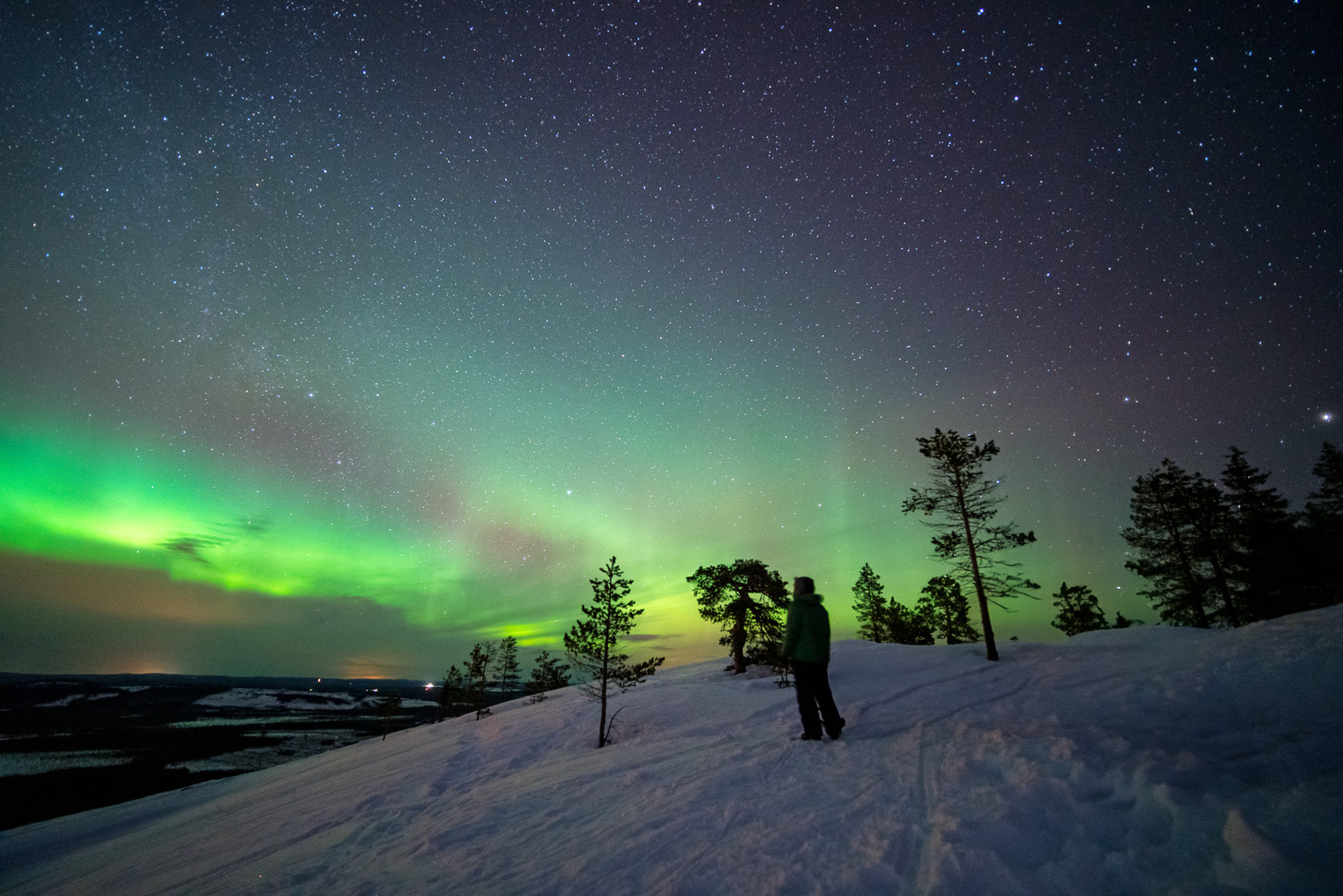
Ilmoitus AuroraMeen: Kp 3+ . Kun se käynnistyy klo 22 jälkeen, pukeudu ja lähde heti. Ikkuna voi olla lyhyt.
Useamman yön varaaminen parantaa tilastoa: yksi yö ~50 % mahdollisuus. Kolmesta neljään yöhön todennäköisyys nousee yli 80 %:iin. Ekologisissa ja vastuullisissa Pyhä-elämyksissä, joissa monen yön oleskelu on oikeasti nautittavaa, on erinomaisia vaihtoehtoja: mukavuus ja kestävyys yhdistyvät.
Vaihe vaiheelta: täydellisen revontuli-illan suunnittelu
Kun varusteet on pakattu ja ennuste tarkistettu, näin suunnittelet keskittyneen
Vaihe 1: Tarkista ennuste klo 18. Katso sekä Kp-indeksin että pilvisyyden kartat. Kp vähintään 3 ja pilvisyys alle 30 % antaa vihreän valon.
Vaihe 2: Valitse katselupaikka. Pyhässä erottuu kolme paikkaa:
- Pyhäjärvi (järvi): Tasainen, avoin järven pinta; leveät näkymät taivaalle ja lähes olematon
- Noitatunturi-tunturi: Korkeampi maasto ja panoraamanäkymät useaan suuntaan
- Taigan metsänreunojen aukeat: Tuulelta suojassa, hyvä pidempiin odotteluihin
Vaihe 3: Lähde liikkeelle klo 22–2 välillä. Revontulien parhaat tuntit ovat klo 22–2 (syyskuu–huhtikuu). Joulukuusta helmikuuhun voimakkaimmat kuukaudet. Vältä öitä, jolloin on täysikuu: se vaimentaa heikkoja näkyjä.
Vaihe 4: Valitse opastettu kierros vai omatoiminen jahti. Opastetut kierrokset ja Aurora-majoitus tarjoavat molemmat ainutlaatuisen revontulielämyksen, mutta eri eduilla. Oppaat voivat ajaa parempiin paikkoihin ja etsiä selkeämpiä taivaita.
“Parhaat revontuliillat Pyhässä ovat niitä, kun pysyt joustavana. Opas, joka tuntee paikalliset sääkuviot, voi siirtää sinut 20 kilometrillä ja löytää selkeän taivaan, kun taas lomakeskus on pilviverhon
Vaihe 5: Vaihtele lähestymistapaa. Ensimmäisenä yönä kokeile opastettua revontulikierrosta paikallisen asiantuntijan kanssa. Toisena yönä pysy mökissä ja seuraa terassilta. Tämä tasapaino toimii hyvin useimmille luksusmatkailijoille. Selaa koko valikoimaa Pyhän revontulielämyksiä ja löydä itsellesi sopiva yhdistelmä.
Käytännön vinkki: Oulun revontuliopas sisältää hyödyllisiä neuvoja pilvien purkautumisen (cloud-break)
Valitse eco-luxury: omatoiminen jahti vs.
Yksityisen lasimökin ja opastetun kierroksen valinta ei ole vain mukavuudesta: kyse on siitä, että sovitat matkustustyylisi oikeaan kokemukseen.
Yksityisiä lasi-igluja ja opastettuja lumikenkä- tai fatbike-kierroksia on tarjolla luksusta ja mahdollisimman pientä ympäristövaikutusta etsiville.
| Ominaisuus | Revontulimökki | Opastettu kierros |
|---|---|---|
| Tietosuoja | Erittäin korkea | Matala tai kohtalainen |
| Joustavuus | Kiinteä sijainti | Mobiili, sään mukaan mukautuva |
| Kestävyys | Passiivinen, vähävaikutteinen | Riippuu operaattorista |
| Onnistumisprosentti | Kohtalainen | Korkeampi (paikallistuntemus) |
| Parhaat | Pariskunnille, romantiikkaa | Ryhmille, ensikertalaisille |
| Kustannukset | Korkeammat aloituskustannukset | Kohtalainen per henkilö |
Ohjatut kierrokset parantavat onnistumista paikallistuntemuksen ja sään reaaliaikaisen seurannan ansiosta: opas tietää, mitkä laaksot selkenevät ensin myrskyn jälkeen ja mitkä harjanteet
Etsittäviä ympäristöystävällisiä
- Sähkömoottorikelkkakierrokset: Pienemmät päästöt, hiljaisempia
- Fatbike-auroraretket: Ei päästöjä, fyysisesti mukaansatempaavaa, aidosti
- Lumikenkäkävelyt: Kestävin vaihtoehto, hidas ja elämyksellinen
- Matalan energian mökkimajoitukset: Aurinko- tai biomassalämmitys,
Katso kattavasti kestäviä majoitusvaihtoehtoja: tutustu revontulihotellin vaihtoehtoihin Pyhässä sekä ekoluksus-Lapin oppaaseen vuodelle
Mitä luksus-Lapin oppaat eivät kerro siitä, miten näet revontulet
Tämä yksi asia jää usein kertomatta aurora-oppailla: ylibuukkaaminen on yksi suurimmista syistä siihen, että luksusmatkailijat
Kun lukit itsesi jäykkään ohjelmaan, yksikin pilvinen ilta voi tuntua epäonnistumiselta. Mutta Lapin sää on luonteeltaan arvaamaton. Eniten revontulia näkevät matkailijat ovat joustavia, tarkistavat ennusteen kahdesti päivässä ja ovat valmiita muuttamaan suunnitelmiaan klo 21.
Hiljainen totuus heikoista revontulista: pehmeä vihertävä hehku voi paljain silmin näyttää lattealta, mutta puhelimen kameran läpi se on upea. Älä väheksy heikkoa näkyä—suuntaa ensin kamera taivaalle ja päätä vasta sitten, miltä se sinusta tuntuu. Saatat yllättyä.
Yksityinen rentoutuminen ja ohjattu liikkuminen yhdessä on se paras yhdistelmä. Vietä yksi ilta rauhassa mökkisi terassilla lämpimän juoman kanssa. Vietä toinen paikallisoppaan kanssa pakettiautossa, joka osaa etsiä pilvien raon. Yksin kumpikaan ei ole yhtä tehokas.
Sovellukset auttavat, mutta paikallinen vaisto voittaa usein. Opas, joka on seurannut Pyhän taivasta kymmenen talven ajan, tietää asioita, joita mikään algoritmi ei tavoita. Luota työkaluihin—luota myös ihmisiin, jotka asuvat täällä. Tutustu kestävään luksusmatkailuun Lapissa ja siihen, miten täällä matkustetaan harkiten ja aidosti vastuullisesti.
Koe revontulet tyylillä Sunday Morning Collection -kokoelmalla
Jos haluat enemmän kuin pelkkää onnea arktisella taivaalla, Sunday Morning Collection tarjoaa sujuvan reitin premium-revontulielämykseen Pyhässä.
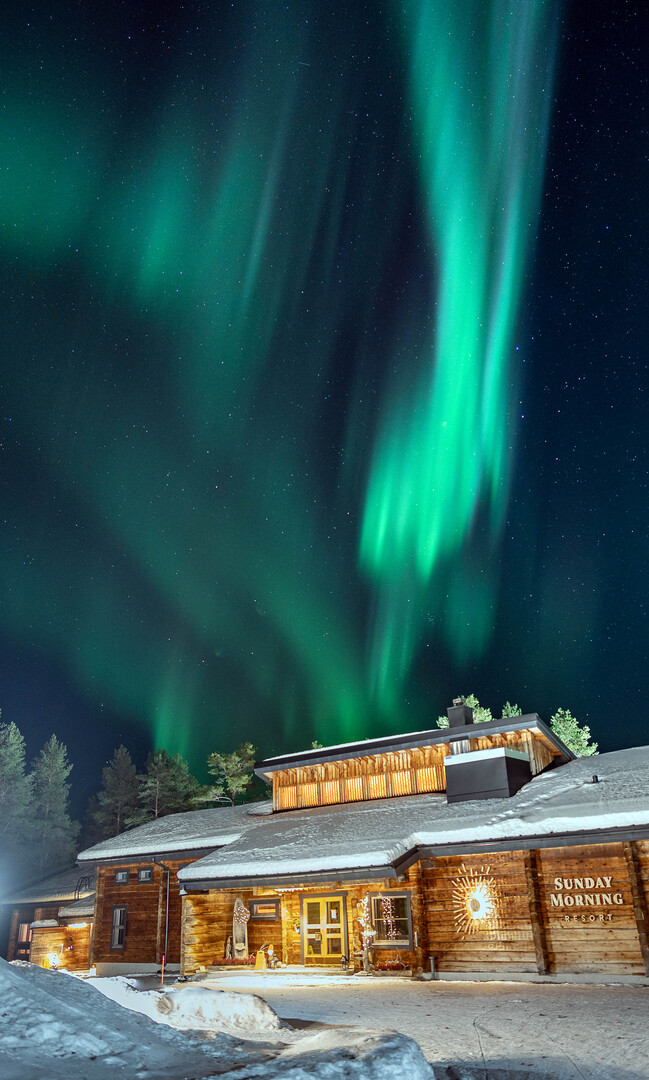
Lasikattoisista majoituksista, joista näet taivaan sängystäsi, aina Pyhän revontulikierroksiin paikallisten oppaiden johdolla—jotka tuntevat jokaisen taiganiittyjen notkelman selkenemisen. Kaikki on suunniteltu mukavuuteesi ja parhaaseen mahdollisuuteen nähdä valot. Lapin luksusmajoitusvaihtoehtomme ovat ekosertifioituja, kauniisti muotoiltuja ja pimeän taivaan katselua varten.
Usein kysytyt kysymykset
Mikä on paras vuodenaika revontulien havaitsemiseen Pyhässä?
Joulukuusta helmikuuhun osuvat parhaat revontulien olosuhteet, vaikka näkyvyys on mahdollista syyskuusta aina huhtikuun alkuun.
Miten voin parantaa mahdollisuuksiani nähdä revontulet Pyhässä?
Varaa vähintään 3–4 yötä, seuraa Kp-indeksiä päivittäin ja suuntaa pois tekovalon läheisyydestä.
Mitkä sovellukset tai verkkosivut tarjoavat luotettavia
AuroraMe, NOAA SWPC, SpaceWeatherLive ja FMI ovat luotettavimmat. Seuraa Kp-indeksiä reaaliaikaisen geomagneettisen aktiivisuuden seuraamiseksi ja aseta ilmoitukset,
Ovatko ohjatut kierrokset parempia kuin revontulien etsiminen
Ohjatut kierrokset tarjoavat tyypillisesti paremmat onnistumismahdollisuudet, koska paikalliset oppaat osaavat siirtyä kirkkaammille alueille.
Onko revontulia mahdollista nähdä paljain silmin, vai tarvitaanko kamera?
Heikot revontulet voivat näyttää paljain silmin pehmeiltä, harmailta pilviltä. Käytä puhelintasi havaitaksesi heikkoja revontulia, jotka ovat kameran avustamatta näkymättömiä tai juuri ja juuri näkyviä—ja nauti
Suositeltu
- Revontulihotelli Pyhässä, Suomen Lappi | Sunday Morning Collection
- Revontulia Lapissa – Aurora-elämyksiä Pyhässä | Sunday Morning Collection
- Revontulikierros Pyhässä, Suomen Lappi | Sunday Morning
