


TL;DR:
- Gourmet dining in retreats complements wellness treatments by providing nutrient-dense, locally sourced meals that enhance recovery and promote emotional connection. High-quality, personalized, multi-course meals served in small groups foster memorable rituals and support long-term health goals. The 2026 trend favors nourishing, comfort foods and hyper-local ingredients prepared by collabora tive chefs and nutritionists, moving away from restrictive detox menus.
Gourmet dining in retreats is defined as the intentional integration of expertly crafted, nutritionally purposeful meals into a structured wellness or relaxation program. The role of gourmet dining in retreats goes far beyond feeding guests. It shapes the rhythm of each day, supports the outcomes of spa treatments, and creates shared moments that guests remember long after they leave. Luxury wellness resorts now treat multi-course, locally sourced menus as a core program element, not an afterthought. When food is designed with the same care as a yoga session or a massage, the entire retreat experience shifts.
How does gourmet dining enhance wellness and relaxation in retreats?
The connection between food and physical restoration is direct. What you eat during a retreat either supports or undermines every other treatment you receive. Plant-based, nutrient-dense meals reduce inflammation, stabilize blood sugar, and prepare the body to absorb the benefits of massage, hydrotherapy, and breathwork. Guests at wellness retreats consistently report that plant-based gourmet meals change their perception of healthy eating, often leaving with the confidence to recreate dishes at home.
Meals in retreat settings also function as rituals. Culinary wellness experts describe dining as a conversation between the body, the season, and the emotional state of the guest. A warm bowl of fermented broth served after a cold-water plunge is not just food. It is a signal to the nervous system that the stress response is over. This reframing of mealtime as a healing practice is central to what makes culinary retreats so effective.
The impact of dining on wellness retreats is measurable in guest satisfaction and repeat bookings. When food quality drops, the entire program feels less credible. When it excels, it amplifies every other element.
Key ways gourmet food in retreats supports wellness:
- Nutrient timing: Meals scheduled around treatments maximize absorption and energy.
- Anti-inflammatory ingredients: Turmeric, omega-3-rich fish, and fermented foods reduce post-treatment soreness.
- Mindful eating practices: Slow, structured meals lower cortisol and support digestion.
- Seasonal alignment: Menus built around local, seasonal produce connect guests to the natural environment.
- Emotional comfort: Warm, satisfying food provides psychological grounding during intensive programs.
Pro Tip: Ask your retreat coordinator for the weekly menu before you arrive. A well-designed menu signals that the program is built around your whole experience, not just the treatment schedule.
What defines the fine dining experience in retreat settings?
The fine dining experience in a retreat is not simply about expensive ingredients or formal service. It is about structure, intention, and personalization. Immersive retreat packages typically feature three gourmet meals daily, with menus tailored to each guest’s dietary needs and wellness goals. The format matters as much as the food itself.
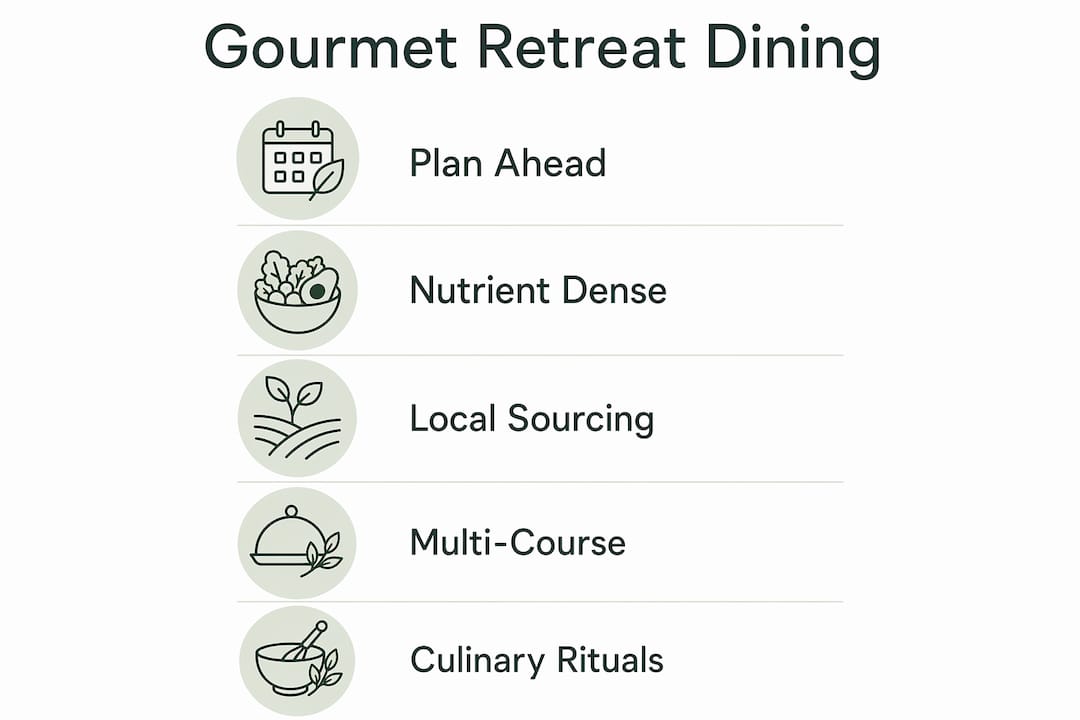
Four elements define a high-quality retreat dining experience:
- Multi-course meal structure: A progression from light starters to nutrient-dense mains and restorative desserts mirrors the arc of a treatment session. Each course serves a purpose.
- Small group settings: Intimate dining with six to twelve guests creates space for genuine conversation and a slower pace. Large buffet formats undermine the ritual quality that makes retreat dining memorable.
- Local and seasonal sourcing: Menus built on regional produce connect guests to the place they are visiting. At Restaurant Aihki in Pyhä, Lapland, the kitchen draws on Arctic ingredients like reindeer, wild berries, and foraged herbs to create dishes that are inseparable from their landscape.
- Dietary customization: Guests arrive with specific health goals, allergies, and preferences. A retreat that cannot accommodate these needs with equal creativity and quality is not delivering a true fine dining experience.
| Element | What to look for |
|---|---|
| Menu design | Menus aligned with wellness goals, not generic hotel menus |
| Sourcing | Local, seasonal, and organic ingredients named on the menu |
| Service style | Small group or private dining, not buffet-style |
| Dietary flexibility | Creative alternatives for all dietary needs |
| Scheduling | Fixed meal times that coordinate with treatment schedules |
Small retreat dining requires tight coordination between kitchen and program staff. Even minor delays in a multi-course service can disrupt the collective experience for all guests. The best retreats treat the dining room schedule with the same precision as the treatment timetable.
What are the emerging 2026 trends in gourmet retreat dining?
The biggest shift in retreat cuisine right now is a move away from restriction. 2026 trends show retreats replacing sugar-free and gluten-free detox menus with functional comfort foods: nutrient-rich broths, fermented vegetables, and locally rooted dishes that nourish without deprivation. This is a meaningful change. Guests no longer want to feel punished by their food. They want to feel cared for.
Hyper-local culinary heritage is now a defining feature of the best gastronomy in wellness retreats. Wellness travelers increasingly reject generic health food in favor of cuisine that is rooted in the local landscape and linked to long-term health benefits, including reduced risk of hypertension and diabetes. That connection to place is part of what makes Lapland culinary tourism so compelling. Arctic ingredients carry centuries of nutritional wisdom.
The collaboration model is also reshaping tasting menus for retreats. Michelin-star chefs working alongside nutritionists and longevity doctors are creating menus that balance calorie control, glycemic index management, and cellular detoxification without sacrificing flavor. This is not a compromise between indulgence and health. It is a synthesis of both.
Current trends shaping culinary retreats in 2026:
- Functional comfort foods replace restrictive detox menus as the default wellness approach.
- Fermented and probiotic-rich dishes support gut health as a foundation for overall wellness.
- Chef and nutritionist collaborations produce menus that are medically informed and gastronomically satisfying.
- Hyper-local sourcing connects guests to regional food culture and supports sustainable supply chains.
- Emotional nourishment is prioritized alongside physical nutrition, with food designed to comfort and ground.
You can read more about how lodging and gastronomy combine in modern retreat hospitality to create experiences that are greater than the sum of their parts.
How to choose a retreat for a genuine gourmet dining experience
The most important question to ask before booking is whether the retreat runs an in-house kitchen. In-house kitchens prevent the quality loss that comes from external catering logistics. Reheated food cannot deliver the freshness that a gourmet retreat promises. An in-house team also allows the kitchen to respond to guests in real time, adjusting portions, flavors, and timing as the program evolves.
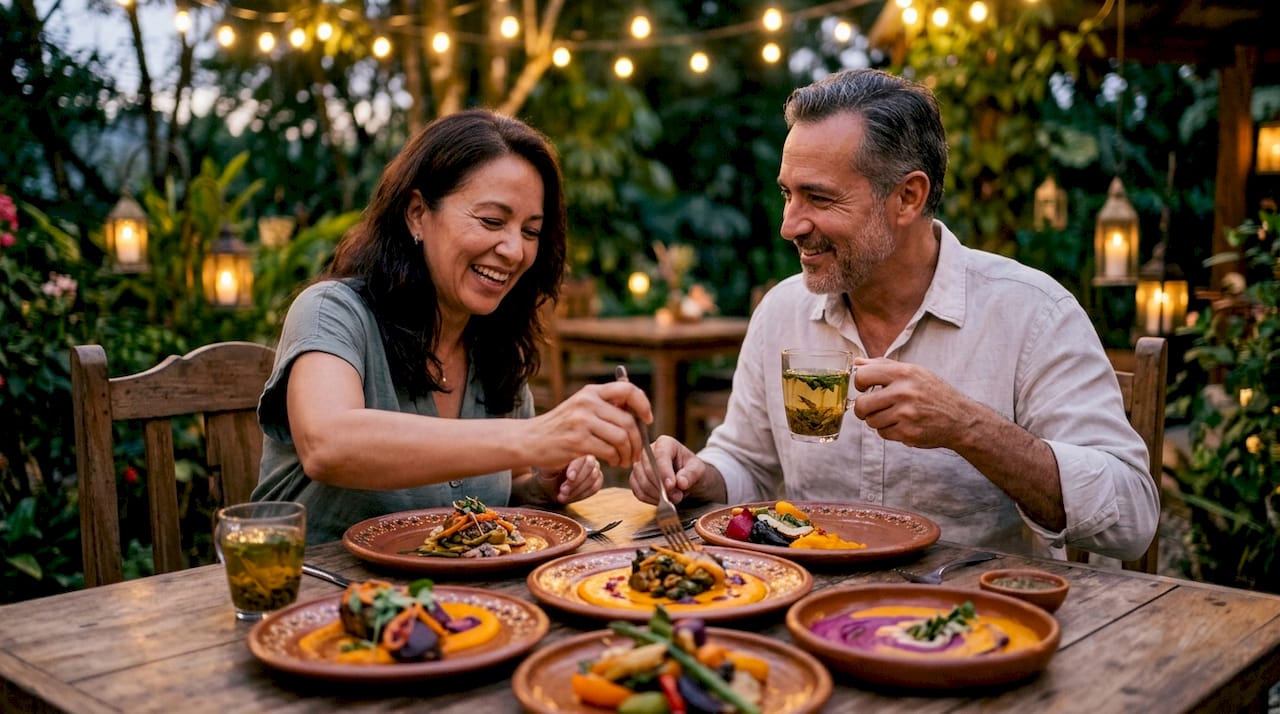
The importance of dining in retreats also shows up in how the host manages the day. Having a private or in-house chef frees retreat hosts to focus entirely on guest experience rather than kitchen logistics. That shift in attention is felt by guests, even if they cannot name it. The host is present, calm, and engaged because the food is handled.
Practical questions to ask before you book:
- Does the retreat use an in-house kitchen or external catering?
- Are menus designed by a qualified chef or nutritionist?
- Can the kitchen accommodate your specific dietary needs with equal creativity?
- Are ingredients locally sourced and named on the menu?
- Are meal times fixed and coordinated with the treatment schedule?
Pro Tip: Request a sample menu before booking. A retreat confident in its culinary program will share it gladly. Vague answers about food are a reliable signal that dining is not a priority.
Balancing luxury with authentic local flavor is the mark of a retreat that understands its location. The best programs do not import generic luxury ingredients. They build menus around what grows, swims, or roams nearby. That approach produces food that is both better for you and more memorable. For a deeper look at how Nordic cuisine informs this philosophy, the traditions of Finnish Lapland offer a clear example of how regional ingredients become the foundation of a world-class dining experience.
Key Takeaways
Gourmet dining in retreats is a core wellness tool, not a luxury add-on, and the best retreats treat every meal with the same intention as every treatment.
| Point | Details |
|---|---|
| Dining supports treatments | Nutrient-dense meals amplify the physical and mental benefits of spa and wellness programs. |
| Structure matters | Multi-course, small-group dining creates the ritual quality that makes retreat meals memorable. |
| Local sourcing defines quality | Menus built on regional, seasonal ingredients connect guests to place and support long-term health. |
| In-house kitchens are non-negotiable | Fresh, on-site preparation maintains quality that external catering cannot match. |
| 2026 trends favor nourishment over restriction | Functional comfort foods and chef-nutritionist collaborations replace punishing detox menus. |
Why I think most travelers underestimate retreat dining
I have seen guests arrive at retreats focused entirely on the treatment schedule, treating meals as the gap between massages. By day three, that view almost always changes. The food becomes the thing they talk about most. That shift is not accidental. It reflects something real about how the body responds when it is fed with genuine care and skill.
What surprises me most is how often the dining experience creates the social bonds that guests carry home. Shared meals in small groups, with food that sparks curiosity and conversation, do something that a solo treatment session cannot. They create a sense of belonging. That emotional dimension is what separates a good retreat from one you recommend to everyone you know.
My honest advice: treat the menu as seriously as the treatment list when you are choosing a retreat. Look for programs where the chef is named, the sourcing is transparent, and the kitchen is on-site. Those details are not marketing. They are quality signals. And if you want to see what this looks like in practice, the local culture and wellness approach at Sundaymorning in Finnish Lapland is a strong reference point. Arctic ingredients, expert preparation, and a setting that makes every meal feel like it belongs exactly where it is served.
— Juho
Gourmet dining and luxury stays at Sundaymorning in Lapland
Sundaymorning brings together luxury accommodation in Lapland with a culinary program rooted in Arctic ingredients and Nordic tradition. The Sunday Morning Resort and Parkside Pyhä Apartments sit inside Pyhä-Luosto National Park, where the wilderness shapes both the activities and the food on your plate.
Restaurant Aihki serves gourmet meals that draw on reindeer, wild berries, and foraged Arctic herbs, prepared by chefs who understand both flavor and the landscape they are cooking from. Retreat packages combine fine dining with Northern Lights experiences, saunas, and guided Arctic adventures. Whether you are planning a romantic escape or a winter getaway, every meal at Sundaymorning is designed to be part of the experience, not a pause between activities.
FAQ
What is the role of gourmet dining in retreats?
Gourmet dining in retreats is defined as the intentional use of expertly crafted, nutritionally purposeful meals to support wellness outcomes and enhance the overall guest experience. It functions as a core program element alongside treatments, not a separate amenity.
How does food quality affect wellness retreat outcomes?
Nutrient-dense, well-timed meals directly support the physical and mental benefits of spa and wellness treatments. Retreats with in-house kitchens and locally sourced menus consistently deliver stronger guest satisfaction and health outcomes.
What should I look for in a culinary retreat menu?
Look for menus that name local and seasonal ingredients, offer creative dietary alternatives, and are designed by a qualified chef or nutritionist. A sample menu shared before booking is a reliable sign of a serious culinary program.
Are tasting menus common at wellness retreats?
Multi-course tasting menus are increasingly standard at high-end wellness retreats, particularly those collaborating with Michelin-star chefs and nutritionists. These menus balance flavor, calorie control, and cellular health without sacrificing satisfaction.
What is the 2026 trend in retreat cuisine?
The dominant 2026 trend is a shift from restrictive detox menus to functional comfort foods, including fermented dishes, nutrient-rich broths, and hyper-local ingredients that nourish emotionally and physically without deprivation.
Recommended
- Cozy Lapland getaways: luxury, sustainability & Arctic experiences | Sunday Morning Collection
- Restaurant Aihki | Fine Dining in Pyhä, Lapland, Finland | Sunday Morning Collection
- Restaurant Aihki | Fine Dining in Pyhä, Lapland, Finland | Sunday Morning Collection
- Northern Lights Retreat | Sunday Morning Collection
