


In Finnish Lapland, reindeer outnumber people by more than 200,000 to 180,000, and that single fact tells you something important about the food culture here. Arctic cuisine is not just about what ends up on your plate. It is about wild nature, seasonal rhythms, and a deep respect for the land. If you are an eco-conscious traveler or a food enthusiast looking for something genuinely different, Lapland's culinary scene offers a rare combination of authentic flavors and sustainability that is hard to find anywhere else on earth.
Table of Contents
Nuances of Lapland cuisine: Heritage, adaptation, and challenges
Combining sustainable accommodations with immersive culinary tourism
Explore sustainable stays and culinary excellence in Lapland
What defines Lapland culinary tourism?
Culinary tourism in Lapland is about more than tasting local dishes. It is about connecting with the Arctic environment through food. The region's Arctic ingredients shape every meal, from a simple foraged berry dessert to a multi-course private chef dinner under the Northern Lights.
What makes this region truly unique is its short growing season and wild, untouched nature. Ingredients are not imported or mass-produced. They are hunted, fished, foraged, and herded by local communities who have lived this way for generations. The result is food that tastes like the place it comes from.
Signature ingredients you will encounter include:
Reindeer (roasted, smoked, or dried)
Arctic char and whitefish (fresh or cured)
Wild berries such as cloudberries, lingonberries, and bilberries
Forest mushrooms foraged in autumn
Foraged greens like wood sorrel and nettles
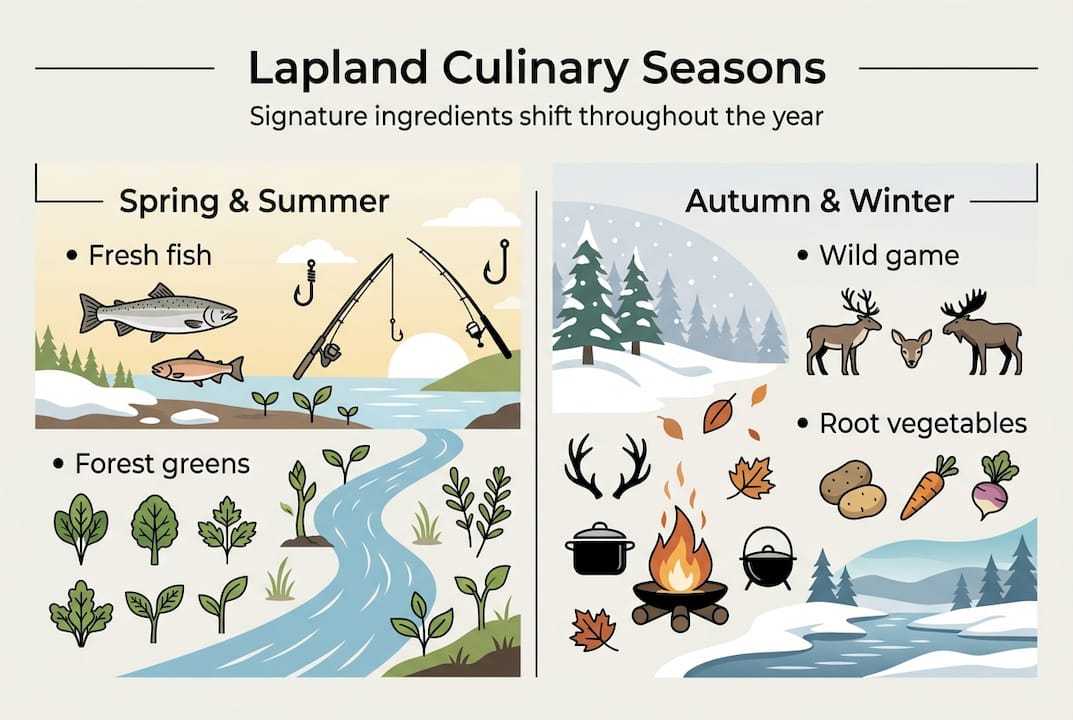
Lapland recognizes eight distinct seasons, and menus shift with each one. Spring brings fresh fish and early greens. Autumn is rich with mushrooms and game. This seasonal connection is what keeps the food honest and exciting. Pairing this with sustainable Lapland travel creates an experience that feels both grounded and extraordinary.
Pro Tip: When choosing a restaurant, look for seasonal menus that change throughout the year. This is the clearest sign that a kitchen is working with true Arctic ingredients rather than generic produce.
For travelers who want to stay in comfort while exploring this food culture, Lapland stays offer the perfect base, combining eco-friendly design with access to authentic culinary experiences.
Signature experiences for culinary tourists
Once you understand what shapes Lapland's food culture, the next step is knowing how to experience it. There are several ways to immerse yourself, ranging from hands-on outdoor activities to intimate private dining.
Here are the main culinary experiences available to visitors:
Foraging tours guided by local experts who teach you to identify edible mushrooms, berries, and wild plants
Farm-to-table dinners where chefs craft dishes using local game, freshwater fish, and seasonal produce
Cultural meals served in traditional huts called kotas, often accompanied by storytelling and cultural context
In-villa dining with a private chef preparing a personalized menu using local ingredients
Cooking workshops where you learn traditional preservation techniques like smoking and fermentation
These foraging tours and private chef experiences represent the full range of what culinary tourism in the Arctic can offer, from wild and earthy to refined and intimate.
"The best Lapland dishes are defined by simplicity and purity. We let the ingredients speak. The eight seasons of Lapland give us a constantly changing palette to work with." — Chef perspective on Arctic cuisine
You can explore curated Lapland holiday packages that bundle several of these experiences together, or browse individual Pyhä experiences to build your own itinerary.
Sustainability and ethical sourcing in Arctic cuisine
Sustainability is not a marketing term in Lapland. It is a practical necessity. The land is fragile, the seasons are short, and the communities that depend on it have always known that taking more than the land can give is not an option.
Key sustainability practices in Lapland's culinary scene include:
Local sourcing directly from local reindeer herders and wild fisheries
Zero-waste cooking using every part of the animal, from nose to tail
Seasonal foraging under Finland's Everyman's Right, which gives everyone legal access to wild nature
Traditional preservation through smoking and fermentation, reducing the need for refrigeration
Certified venues holding STF or Green Key standards for environmental responsibility
The sustainable dining practices in Finnish Lapland are built around a food system where reindeer herding, wild fishing, and seasonal foraging work together in balance.
For restaurants, following sustainability best practices means going beyond recycling. It means building menus around what the land offers each season. You can read more about how Sunday Morning Resort leads this effort through its Lapland responsible tourism approach and broader sustainability initiatives.
Pro Tip: When booking a restaurant or resort, look for STF or Green Key certification. These are verified standards, not self-declared claims, and they give you confidence that your visit supports responsible practices.
Nuances of Lapland cuisine: Heritage, adaptation, and challenges
Lapland's food culture is layered and sometimes complicated. It is a conversation between traditions, Finnish cooking, and the realities of a changing Arctic environment.
Some important nuances to understand:
Sámi vs. Lappish cuisine: Sámi food is rooted in reindeer herding and tundra foraging. Lappish cuisine is broader, blending Finnish and Arctic influences.
Ethical reindeer consumption: Reindeer herding in Lapland is sustainable and community-led, with full utilization of the animal as a core principle.
Climate pressures: Warming temperatures affect lichen growth, which reindeer depend on. This is a real and growing concern for herders and chefs alike.
Vegan adaptations: Many kitchens now offer plant-based menus built around mushrooms, roots, and foraged greens, making Lapland's flavors accessible to all diets.
"Authentic Arctic cuisine is not about spectacle. It is about honoring what the land gives you and wasting nothing."
There is also a broader tension worth acknowledging. Tourism boosts local pride and economy but can put pressure on reindeer pastures through land use changes like forestry and mining. The push for authentic, local-led experiences over commercialized "Arctic" branding is growing, and as a traveler, choosing carefully matters.
For those who want to stay close to this authentic culture, accommodations in Lapland within national parks offer a way to experience the wilderness without contributing to its degradation. You can also explore Lapland experiential travel options that prioritize community-led and culturally respectful programs.
Combining sustainable accommodations with immersive culinary tourism
The best Lapland trips bring together where you sleep and what you eat into one seamless experience. Staying in a glass igloo, a treehouse, or an eco-villa is not just about comfort. It is about being close to the nature that produces the food on your plate.
In-villa dining under the Northern Lights is one of the most memorable ways to experience Arctic cuisine. A private chef prepares a seasonal menu using local ingredients while you watch the aurora from your window. It is intimate, unhurried, and deeply connected to the place.
Practical ways to combine your stay with culinary immersion:
Book a resort with an in-house restaurant that uses locally sourced, seasonal ingredients
Add a foraging excursion to your itinerary and bring what you find back to the kitchen
Request a private chef dinner as part of your accommodation package
Join a cooking workshop offered by your resort or a local guide
Choose a stay near a national park for easy access to wild foraging areas
The culinary tourism trend in Arctic Scandinavia is growing, with networks of producers and chefs working together to create regenerative, pride-building food experiences. Lapland is at the center of this movement.
Pro Tip: Look for culinary packages that bundle a chef-led dinner with a foraging activity. This combination gives you both the wild experience and the refined result, and it is the most complete way to understand Arctic food culture.
Explore Lapland accommodation options and resort rooms in Lapland to find the right base for your culinary journey.
Explore sustainability and culinary excellence in Lapland
At Sunday Morning Resort in Pyhä-Luosto National Park, we bring together everything this article has described: eco-friendly accommodations, authentic Arctic dining, and immersive culinary experiences rooted in the local landscape. Whether you are dreaming of a private chef dinner under the Northern Lights or a guided foraging walk through the fell forest, we can help you plan it.
Browse our Lapland accommodation options to find your perfect base. Explore our culinary holiday packages for curated itineraries that blend food, nature, and comfort. And when you are ready to experience gourmet Arctic dining firsthand, visit Restaurant Aihki for a taste of what Lapland's finest ingredients can become in the right hands.
Frequently asked questions
What foods are unique to Lapland culinary tourism?
Lapland's signature ingredients include reindeer, Arctic char, whitefish, wild berries, forest mushrooms, and foraged greens, all shaped by the region's eight seasons. You will not find these combinations anywhere else in the world.
How are sustainability and ethics ensured in Lapland restaurants?
Many restaurants source directly from local reindeer herders and pursue STF or Green Key certification, which verifies ethical sourcing, zero-waste practices, and environmental responsibility. Asking about certification before you book is always a good idea.
Can vegans or vegetarians enjoy true Lapland culinary experiences?
Absolutely. Many chefs now offer vegan adaptations using mushrooms, roots, and foraged greens that capture the wild, seasonal character of Arctic cuisine without animal products. The flavors are just as honest and rooted in the landscape.
What is the best way to combine Nordic accommodations and culinary tourism in Lapland?
Pairing a glass igloo or eco-villa stay with a culinary package that includes private chef meals and foraging tours gives you the most complete experience. Look for resorts within or near national parks for the best access to wild ingredients and authentic local-led activities.
