


TL;DR:
- Traditional Nordic cuisine highlights seasonal, local ingredients, and ancient preservation methods that reflect their history.
- Key dishes like gravlax, smørrebrød, and reindeer meats tell stories of survival and celebration across Scandinavia and Finland.
Traditional Nordic cuisine is defined by seasonal, local ingredients and centuries-old preservation techniques that shaped everything from everyday meals to festive feasts. The must-try Nordic dishes you encounter across Scandinavia and Finland are not just food. They are living records of how people survived and celebrated through long, dark winters and brief, brilliant summers. From dill-cured gravlax to open-faced smørrebrød and smoky reindeer, each plate tells a story worth tasting. This guide covers the most iconic dishes, the cultural customs behind them, and how to experience them authentically.
1. Must-try Nordic dishes: where to start
The best entry point into traditional Nordic cuisine is the trio of gravlax, Swedish meatballs, and smørrebrød. These three dishes appear on menus from Helsinki to Copenhagen and represent the full range of Nordic flavor: cured, comforting, and complex. Classic Nordic staples like these form the backbone of both everyday meals and holiday tables. Understanding them gives you a reliable foundation before you branch into more adventurous territory.
2. Gravlax: cured salmon done right
Gravlax is raw salmon cured with salt, sugar, and fresh dill for 24–48 hours, then sliced thin and served with a mustard-dill sauce. The flavor is clean, bright, and slightly sweet. One critical preparation step: freeze the salmon before curing to minimize the risk of parasites. This is not optional. After curing, slice close to the skin and away from the dark flesh for the best presentation and texture.
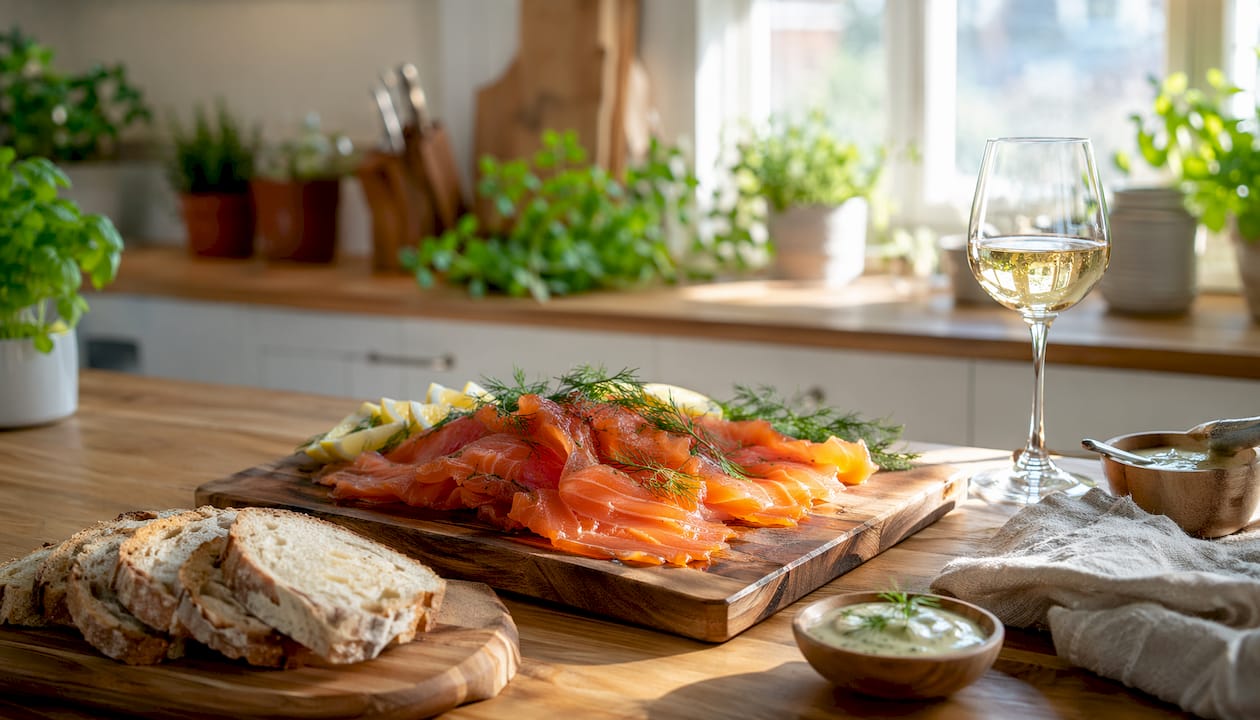
Gravlax appears on breakfast tables, festive spreads, and fine dining menus across the Nordic region. It is one of the most approachable authentic Nordic recipes for home cooks, requiring no cooking equipment beyond a refrigerator and patience.
3. Swedish meatballs with lingonberries
Swedish meatballs are a global comfort food, but the authentic version differs from what most travelers expect. The real dish pairs tender pork-and-beef meatballs with a rich cream sauce and a spoonful of tart lingonberry preserves. The lingonberries are not a garnish. They cut through the richness of the sauce and balance every bite. This combination is one of the most popular Scandinavian meals for a reason: it works perfectly.
Lingonberries grow wild across Nordic forests and are harvested in late summer and early autumn. Their tartness makes them integral to savory dishes, not just desserts. Wild berries like lingonberries connect Nordic food directly to the landscape in a way that no imported ingredient can replicate.
4. Smørrebrød: the open-faced sandwich with rules
Smørrebrød is a Danish open-faced sandwich built on dense sourdough rye bread. The bread is firm enough to support heavy toppings like pickled herring, smoked salmon, roast beef, or egg salad. Eating smørrebrød follows a specific order: fish-based sandwiches come first, followed by meat variations. This sequence preserves the palate and respects tradition. Skipping the order is the equivalent of eating dessert before the main course.
The rye bread itself is worth noting. It is dense, slightly sour, and far more filling than wheat bread. One or two open-faced sandwiches constitute a full meal. Smørrebrød is one of the top Nordic dishes for travelers because it showcases local ingredients in a format that is easy to understand and deeply satisfying.
Pro Tip: Ask your server at a traditional Danish restaurant to recommend the day’s fish topping. Seasonal options like marinated herring or fresh shrimp change with the catch and reflect what is genuinely local.
5. Pickled herring: the festive table staple
Pickled herring is non-negotiable at Nordic holiday meals. It appears in multiple varieties: mustard-marinated, onion-pickled, dill-cured, and cream-based. Seasonal festivals like Midsummer and Julbord always feature herring as the first course. Midsummer tables in Sweden include new potatoes alongside herring, while the Julbord (Christmas buffet) layers herring with cold cuts, warm dishes, and cheese in a specific sequence.
Herring is also one of the most affordable and widely available dishes across the region. You will find it in grocery stores, market halls, and fine dining restaurants alike. The variety of preparations means there is a version for every palate, from sweet and mild to sharp and briny.
6. Toast Skagen: a creamy prawn classic
Toast Skagen is a Swedish appetizer of creamy prawn salad served on sautéed white bread, often topped with a spoonful of bleak roe. Created in the 1950s by Tore Wretman, it remains one of the most frequently recommended starters on both traditional and modern menus. The combination of warm, crisp bread and cold, rich prawn salad is simple and deeply satisfying. It is named after Skagen, the northernmost tip of Denmark, a region historically associated with fishing and seafood.
7. Reindeer and game meats
Reindeer meat is central to Sami culinary tradition and one of the most distinctive things to eat in Nordic countries. It is lean, slightly gamey, and best served in autumn when the animals have grazed on wild herbs and berries. Game meats like reindeer appear prominently in New Nordic menus, often prepared with foraged mushrooms, juniper berries, and root vegetables. In Finnish Lapland, reindeer is served smoked, stewed, or thinly sliced and pan-fried with butter and lingonberries.
Elk, wild boar, and duck also appear on Nordic menus, particularly in autumn. These meats reflect a hunting tradition that predates modern agriculture and remains culturally significant across the region.
8. Brunost, surströmming, and other cultural specialties
Not every Nordic specialty is immediately approachable. Brown cheese, or brunost, is a daily Norwegian breakfast item with a sweet, caramel-like flavor. It is mild and easy to enjoy. Surströmming, on the other hand, is fermented Baltic herring with an extremely pungent smell. It is a cultural and festive delicacy, not an everyday food. Hákarl, fermented Greenlandic shark, falls into the same category.
Approach these “dare” foods with curiosity rather than hesitation. Trying surströmming at a traditional late-summer gathering in Sweden is a genuine cultural experience. Eating it alone from a can in a hotel room is not. Context matters enormously with these dishes.
How the New Nordic movement changed the table
The New Nordic Kitchen manifesto, published in 2004, redefined how chefs across Scandinavia and Finland approach traditional ingredients. The movement promotes purity, simplicity, and seasonal produce while reviving preservation methods like smoking, fermentation, and salting. This is not a rejection of tradition. It is a refinement of it.
“New Nordic cuisine is widely misunderstood as simplistic fast food. It is in fact a world-class culinary movement applying high-end techniques to humble, traditional ingredients.”
The manifesto’s influence reaches well beyond Michelin-starred restaurants. It shapes how local gastronomy is presented in boutique hotels, seasonal pop-ups, and culinary tourism experiences across the region. Chefs now build menus around what is foraged, caught, or grown within a short radius of the kitchen. Summer menus feature new potatoes, strawberries, and fresh herbs. Autumn menus shift to game, root vegetables, and preserved berries. The result is a dining experience that changes with the seasons and feels genuinely connected to place.
The role of food in hospitality has expanded significantly under this framework. Guests at Nordic luxury properties now expect not just good food but food that tells a story about the land it came from. This expectation has raised the standard for culinary experiences across the entire hospitality sector.
Nordic dining customs worth knowing
Nordic food culture extends well beyond individual dishes. The smörgåsbord, for example, is a carefully structured cultural experience. It showcases a household’s range of preserved and fresh foods, historically vital to survival through winter. Treating it as a simple buffet misses the point entirely.
Key dining customs and traditions include:
- Smörgåsbord sequence: Start with cold fish dishes, move to cold meats and cheese, then finish with warm dishes like meatballs or pork tenderloin.
- Fika: The Swedish tradition of a coffee break with pastries is a genuine social ritual, not just a snack. Cardamom buns and cinnamon rolls are the standard accompaniments.
- Kräftskiva: The late-summer crayfish party is a Swedish tradition held in august, featuring boiled crayfish, dill, and aquavit. It is as much about the gathering as the food.
- Julbord: The Christmas table is a layered feast served in courses. Guests return to the table multiple times, each time focusing on a different category of food.
- Preservation as flavor: Salting, smoking, and fermentation developed out of necessity during long Nordic winters. These techniques remain core to the flavor profiles that define the cuisine today.
Nordic food reflects adaptation and resilience shaped by centuries of harsh winters. That history is present in every bite of smoked salmon or fermented herring you try.
Tips for eating Nordic food authentically
Getting the most from Scandinavian food you need to try means choosing the right venues and approaching unfamiliar dishes with an open mind.
- Choose local over commercial. Market halls like Helsinki’s Old Market Hall or Copenhagen’s Torvehallerne offer authentic, locally sourced dishes at accessible prices. Avoid tourist-facing restaurants near major landmarks that simplify menus for international visitors.
- Follow the eating order. For smørrebrød, always start with fish. For a smörgåsbord, follow the traditional sequence. Servers at traditional restaurants will guide you if you ask.
- Pair dishes correctly. Aquavit is the traditional spirit for herring and festive meals. Lingonberry preserves accompany meatballs and game. These pairings exist for a reason and significantly improve the experience.
- Time your visit for seasonal specialties. Summer brings wild strawberries, new potatoes, and fresh shrimp. Autumn is the season for game meats, mushrooms, and root vegetables. Winter means Julbord and preserved fish in abundance.
- Approach challenging foods in context. Surströmming is best experienced at a traditional late-summer gathering. Ask a local to guide you through the experience rather than attempting it alone.
Pro Tip: When visiting Finnish Lapland, look for menus featuring Arctic culinary experiences that combine reindeer, wild berries, and foraged herbs. These menus change with the season and offer the most direct connection to Nordic food culture.
Key Takeaways
The most authentic way to experience Nordic cuisine is to follow the seasons, respect the eating customs, and choose venues that source ingredients locally.
| Point | Details |
|---|---|
| Start with the classics | Gravlax, smørrebrød, and Swedish meatballs give you the clearest picture of traditional Nordic flavors. |
| Follow eating customs | Smørrebrød and smörgåsbord both follow a specific sequence that preserves the palate and respects tradition. |
| Seasonal timing matters | Summer brings berries and fresh fish; autumn delivers game meats and foraged mushrooms at their best. |
| New Nordic raises the bar | The 2004 manifesto transformed Nordic hospitality menus by prioritizing hyper-local, seasonal, and preserved ingredients. |
| Context shapes the experience | Challenging foods like surströmming are best tried at traditional gatherings, not in isolation. |
What I’ve learned eating Nordic food across the region
I have eaten smørrebrød in Copenhagen basement restaurants where the rye bread was baked that morning, and I have had reindeer stew in Finnish Lapland served by a chef who foraged the mushrooms himself. The difference between those experiences and a generic Nordic-themed restaurant is enormous. The food is technically similar. The connection to place is not.
The New Nordic movement gets misread as a trend for food critics and Michelin inspectors. What it actually did was give local chefs permission to be proud of humble ingredients. A pickled herring that has been in a family recipe for three generations is not less sophisticated than a deconstructed version on a tasting menu. Both are worth your time.
My honest advice: do not skip the fermented and preserved dishes because they sound intimidating. Brunost on crispbread with black coffee at a Finnish cabin breakfast is one of the most genuinely satisfying food experiences I have had anywhere. The culinary excellence at Pyhä-Luosto shows exactly how traditional Nordic ingredients can be treated with the same care and creativity as any world-class cuisine. That combination of respect for tradition and genuine craft is what makes Nordic food worth seeking out.
— Juho
Nordic cuisine at Sundaymorning in Finnish Lapland
Sundaymorning brings authentic Nordic food culture to the heart of Finnish Lapland, inside Pyhä-Luosto National Park. The festive seasonal dinners at Aihki reflect the same principles that define the best of traditional Nordic cuisine: local ingredients, seasonal menus, and genuine craft.

Guests at Sundaymorning’s boutique resort and Parkside Pyhä Apartments enjoy gourmet dining that draws directly from the surrounding wilderness. Reindeer, wild berries, and foraged herbs appear on menus that change with the Arctic seasons. If you want to taste Nordic food at its most authentic, a stay at Sundaymorning’s luxury Lapland accommodation puts you at the table where the ingredients were gathered just hours before.
FAQ
What are the most iconic must-try Nordic dishes?
Gravlax, smørrebrød, Swedish meatballs with lingonberries, pickled herring, and Toast Skagen are the most widely recognized traditional Nordic dishes. Reindeer meat is a regional specialty particularly worth trying in Finnish Lapland.
What is the correct way to eat smørrebrød?
Smørrebrød is eaten in a specific order: fish-based open-faced sandwiches come first, followed by meat variations, all served on dense sourdough rye bread. This sequence is a cultural tradition, not just a suggestion.
When is the best time to try authentic Nordic seasonal dishes?
Summer is ideal for wild berries, new potatoes, and fresh shrimp. Autumn brings game meats like reindeer and elk alongside foraged mushrooms. Winter is the season for Julbord and preserved fish dishes.
What is the New Nordic culinary movement?
The New Nordic Kitchen manifesto, published in 2004, promotes hyper-local, seasonal, and sustainable ingredients while reviving traditional preservation methods like smoking, fermentation, and salting. It has shaped fine dining and hospitality menus across Scandinavia and Finland.
Is surströmming safe to eat?
Surströmming is safe to eat but has an extremely strong smell from the fermentation process. It is a festive cultural specialty best experienced at a traditional late-summer gathering in Sweden, ideally with local guidance on how to prepare and pair it.
