


TL;DR:
- Planning a Christmas retreat begins with defining the vibe and purpose first before selecting a venue. Early booking, especially for popular destinations like Lapland, is essential to secure accommodations and manage costs. A balanced schedule with anchor activities, group time, and flexibility ensures a restorative holiday experience.
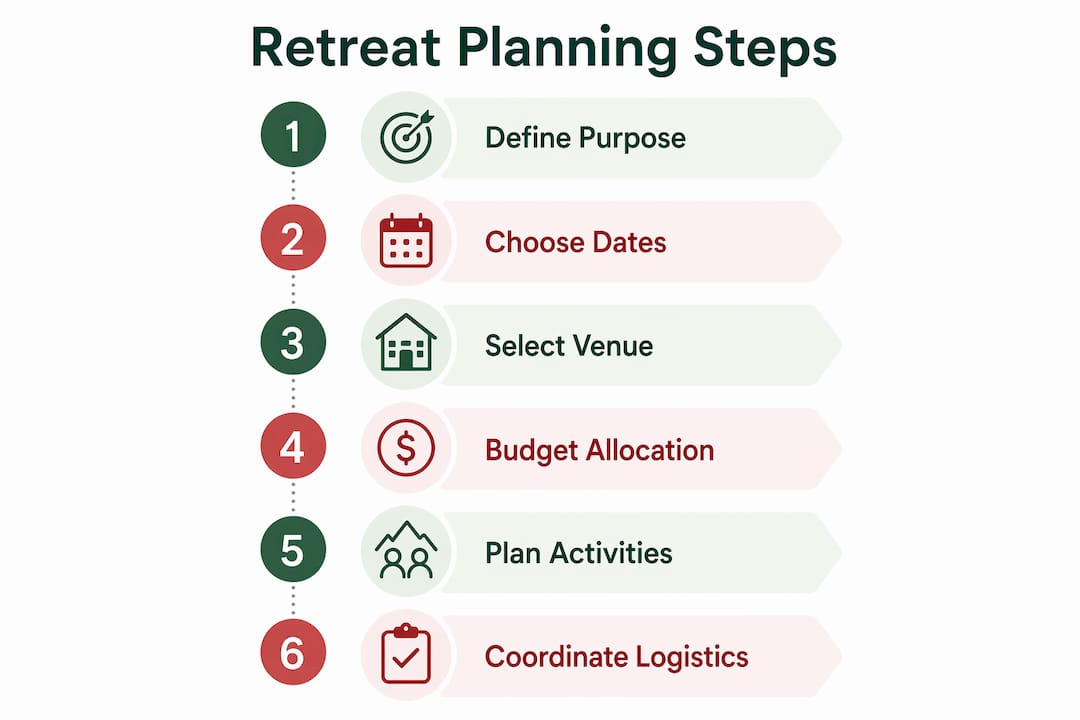
A Christmas retreat is a purposeful getaway, planned around the holiday season, that combines rest, festivity, and shared experience in a setting that feels special. Planning a christmas retreat step by step means making decisions in a clear order: vibe first, then dates, then venue, then activities, then logistics. Skip that sequence and you end up booking a beautiful cabin before you know how many people are coming or what the group actually wants. This guide walks you through every phase, from the first conversation about destination to the final packing list, so your holiday getaway feels calm rather than chaotic.
How to start planning a Christmas retreat step by step
The single biggest mistake retreat planners make is choosing a destination before defining the purpose. Successful retreat planners define the “why,” timing, and duration before venue selection. That order matters because your purpose shapes every downstream decision.

Start by asking two questions: What do you want people to feel by the end of this retreat? And how long does it need to be to deliver that? Count retreat length in nights, not days. Three to four nights is the minimum for a genuine reset, while five to seven nights allows for deeper engagement and real relaxation. A two-night trip rarely gives people enough time to unwind before it is time to pack again.
Once you know the duration and the feeling you are after, the location choice becomes much simpler. A group that wants peaceful snow, reindeer, and Northern Lights points naturally toward Finnish Lapland. A group that wants warmth and beaches points somewhere else entirely. The vibe decision filters out most of the noise.
What should you consider when choosing your retreat vibe and dates?
Deciding early between a winter wonderland or warm-weather getaway simplifies logistics across the board, from destination choice to packing lists to activity planning. Make this call before you look at a single property listing.
For dates, work backward from christmas. The week of december 20–27 books out fastest at premium properties. If you want a snow-guaranteed experience in a place like Pyhä-Luosto National Park, you are looking at late november through early april as your window. Consider these factors when locking in dates:
- Group availability: Poll your group before committing to any dates. One unavailable person can derail the whole plan.
- Travel connections: Check flight and train schedules to your destination. Remote winter locations often have limited arrival days.
- School and work calendars: Families need to align with school breaks. Corporate groups need to avoid fiscal year-end crunch periods.
- Local events: Some destinations host christmas markets or festive programs only on specific dates. Build around those if they matter to your group.
Pro Tip: Book your preferred dates at least 4–6 months ahead for a weekend retreat, and 9–12 months ahead for a week-long or international getaway. The best properties in Lapland fill up by early spring for the following christmas season.
How do you book accommodations and manage your retreat budget?
For residential weekend retreats, begin planning at least 4–6 months in advance. For week-long or international getaways, that window extends to 9–12 months. Booking late during the christmas season means paying premium rates or settling for your second choice.
When you contact a property, ask directly about group rates, minimum stay requirements, and what is included in the base price. Many luxury properties bundle meals, transfers, or activities into packages, which can simplify your budget considerably. Understanding digital reservations and how online booking systems work helps you move fast when availability opens up.
Budget allocation is where most holiday retreat plans fall apart. Use this framework as your starting point:
| Budget Category | Recommended Allocation |
|---|---|
| Venue and accommodation | 40–50% |
| Food and beverage | 15–20% |
| Facilitators and activities | 10–15% |
| Marketing and admin | 5–10% |
| Contingency fund | 10% |
Allocate roughly 40–50% of your total budget to venue and accommodation. That figure reflects the reality that a great setting is the foundation of the whole experience. The 10% contingency is not optional. Christmas travel brings weather delays, last-minute additions, and price surprises that will use every bit of that buffer.
Pro Tip: Negotiate a rate hold before you sign anything. Ask the property to hold your preferred dates for 48–72 hours while your group confirms attendance. Most boutique properties will agree, and it protects you from losing availability during the decision window.
How do you plan and prioritize festive activities for a Christmas retreat?
Activity planning works best when you separate what the group must do from what would be nice to do. Creating a prioritized “must-do” and “nice-to-do” list prevents stress and keeps group plans flexible, especially during the holidays when weather and energy levels are unpredictable.
Build your activity schedule in this order:
- Anchor activities first. These are the one or two experiences that define the retreat. A husky safari, a Northern Lights tour, or a christmas eve sauna dinner are examples. Book these before anything else.
- Add structured group time. Think shared meals, a group walk, or a festive craft session. These create the social glue of the retreat.
- Build in free time. At least one half-day of unscheduled time per three nights keeps the retreat from feeling like a conference.
- List the nice-to-dos. Snowmobile rides, reindeer farm visits, and ice fishing are great if time and energy allow. Keep them on a secondary list and slot them in as the retreat unfolds.
- Plan a weather backup. For every outdoor activity, have an indoor alternative ready. A cozy afternoon in a lakeside sauna works just as well as a snowshoe hike when a storm rolls in.
Prioritizing shared experiences reduces holiday group stress and increases meaningful connection. The best christmas retreats feel balanced, not packed. Resist the urge to fill every hour.
How do you coordinate logistics, invitations, and communication?
Logistics coordination starts earlier during Christmas than most planners expect. Send invitations and begin managing sign-ups 6–8 months before the retreat start date using digital tools for effective logistics tracking. Waiting until only weeks out creates a scramble, especially when guests need to book flights.
Your communication plan should cover these areas:
- Invitation and registration: Use a digital form to collect dietary needs, arrival times, and special requests in one place. Google Forms or a simple booking platform both work well.
- Travel coordination: Share a clear arrival guide with transfer options, nearest airports, and check-in times. For a Lapland retreat, this means noting the nearest airport (Rovaniemi or Kittilä for Pyhä-Luosto) and ground transfer options.
- Dietary and accessibility needs: Collect these at registration, not the week before arrival. Give your venue at least three weeks’ notice for special requirements.
- Role delegation: Assign one person as the logistics point of contact. That person handles questions so the main organizer can focus on the experience itself.
- Pre-retreat communication: Send a welcome note one week before arrival with the full schedule, packing list, and emergency contact details.
Pro Tip: Create a private group chat or a simple shared document for your retreat group. Post updates there rather than sending individual messages. It saves time and keeps everyone on the same page without creating inbox chaos.
What risks and cancellation policies should you plan for?
Christmas retreats carry specific financial risks that standard getaways do not. Travel insurance is essential for covering cancellations after the typical cutoff of 60-90 days prior to arrival, when many policies move to zero refunds. Buy travel insurance at the time of booking, not as an afterthought.
Holiday retreat cancellation windows are shorter than most travelers expect. Many premium properties enforce a strict no-refund policy inside 2-3 months of arrival during the christmas period. Read the full cancellation terms before you pay any deposit, and purchase comprehensive travel insurance that covers weather-related delays, illness, and flight cancellations. A policy that costs 5–8% of your total trip cost can save the entire budget if something goes wrong.
Winter travel adds weather-specific risks. Flights to remote destinations like Lapland can be delayed or rerouted during heavy snowfall. Build a buffer day into your itinerary if possible, arriving one day before the retreat officially begins. Pack layers, waterproof boots, and thermal base layers regardless of how mild the forecast looks. Arctic weather changes fast.
Key Takeaways
A well-sequenced christmas retreat plan, starting with vibe and duration and ending with logistics and insurance, is the most reliable way to create a stress-free holiday experience.
| Point | Details |
|---|---|
| Define purpose before venue | Clarify the retreat’s “why” and duration before looking at any property listings. |
| Book early for christmas | Secure accommodations 4–6 months ahead for weekends, 9–12 months for international trips. |
| Use the 40-50% rule | Allocate nearly half your budget to venue and accommodation, and keep 10% as contingency. |
| Separate must-dos from nice-to-dos | Anchor activities get booked first; secondary activities fill in as the retreat unfolds. |
| Send invitations 6–8 weeks out | Early digital invitations give guests time to book travel and let you collect logistics data cleanly. |
Why always plan the vibe before the venue
We have helped plan enough group retreats to know where things go wrong, and it almost always starts with the same mistake: someone books a stunning property before the group has agreed on what kind of trip they actually want. You end up with a ski chalet when half the group does not ski, or a remote wilderness lodge when several people were quietly hoping for a town with restaurants and a christmas market.
The vibe-first approach sounds obvious, but it requires a real conversation, not a poll. Ask people what they want to feel on the last morning of the retreat. Rested? Adventurous? Festive? That answer tells you more than any destination shortlist. For a Lapland christmas retreat, the answer is almost always some version of “peaceful and magical,” which is exactly what a place like Pyhä-Luosto delivers when you plan it right.
The other thing we have learned is that flexibility is not a planning failure. It is a feature. The groups that enjoy their retreats most are the ones with one or two anchor experiences and a lot of breathing room around them. The groups that struggle are the ones with a color-coded hour-by-hour schedule that falls apart the moment it snows harder than expected. Build the structure, then let the retreat breathe. That balance is what makes a christmas getaway feel genuinely restorative rather than just expensive.
A Lapland christmas retreat, made simple by Sundaymorning
Planning a festive getaway in Finnish Lapland does not have to mean managing a dozen separate bookings.
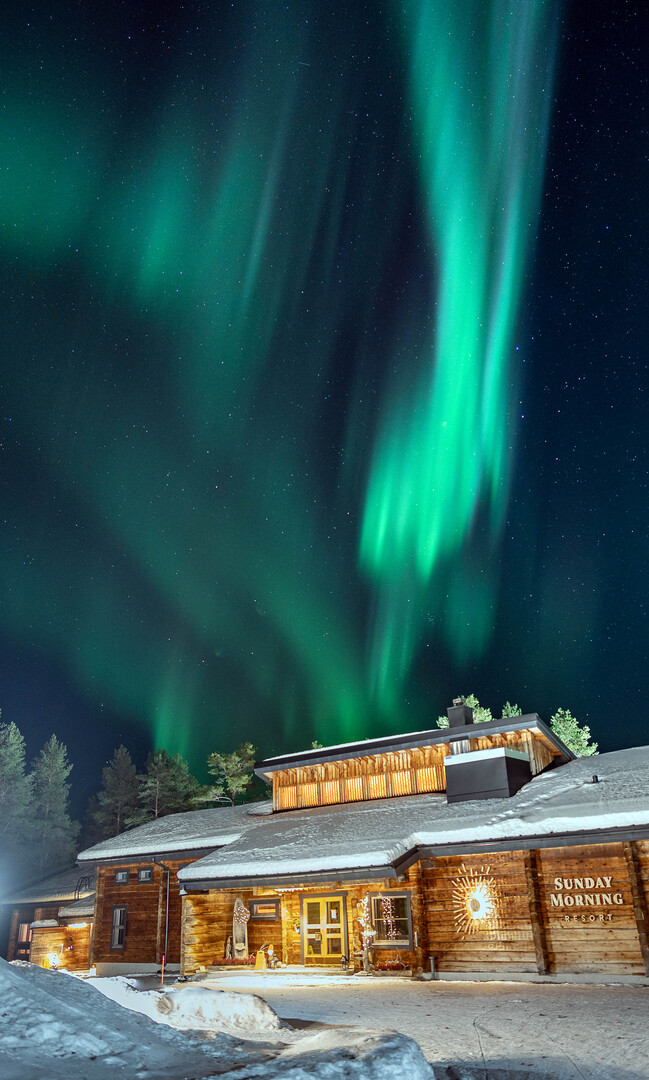
Sundaymorning brings together luxury Lapland accommodation and curated Arctic experiences inside Pyhä-Luosto National Park, so your retreat has a clear, beautiful base from the start. The boutique Sunday Morning Resort and the modern Parkside Pyhä Apartments both offer cozy, high-end stays with access to husky safaris, Northern Lights tours, reindeer experiences, and gourmet Nordic dining. You can also browse the Arctic Winter Getaway Package for a ready-made christmas retreat framework that handles the heavy planning for you.
FAQ
How far in advance should I book a Christmas retreat?
Book at least 4–6 months ahead for a weekend retreat and 9–12 months ahead for a week-long or international trip. Christmas is peak season, and the best properties fill up fast.
How long should a Christmas retreat be?
Three to four nights is the minimum for a genuine reset. Five to seven nights allows for deeper relaxation and more activity variety, which suits a christmas retreat well.
What is a realistic budget breakdown for a Christmas retreat?
Allocate 40–50% to venue and accommodation, 15–20% to food and beverage, 10–15% to activities, 5–10% to admin, and keep 10% as a contingency fund.
Do I need travel insurance for a Christmas retreat?
Yes. Many venues enforce a zero-refund policy inside 60-90 days of arrival during the christmas period. Travel insurance that covers cancellations, weather delays, and illness protects your full investment.
